
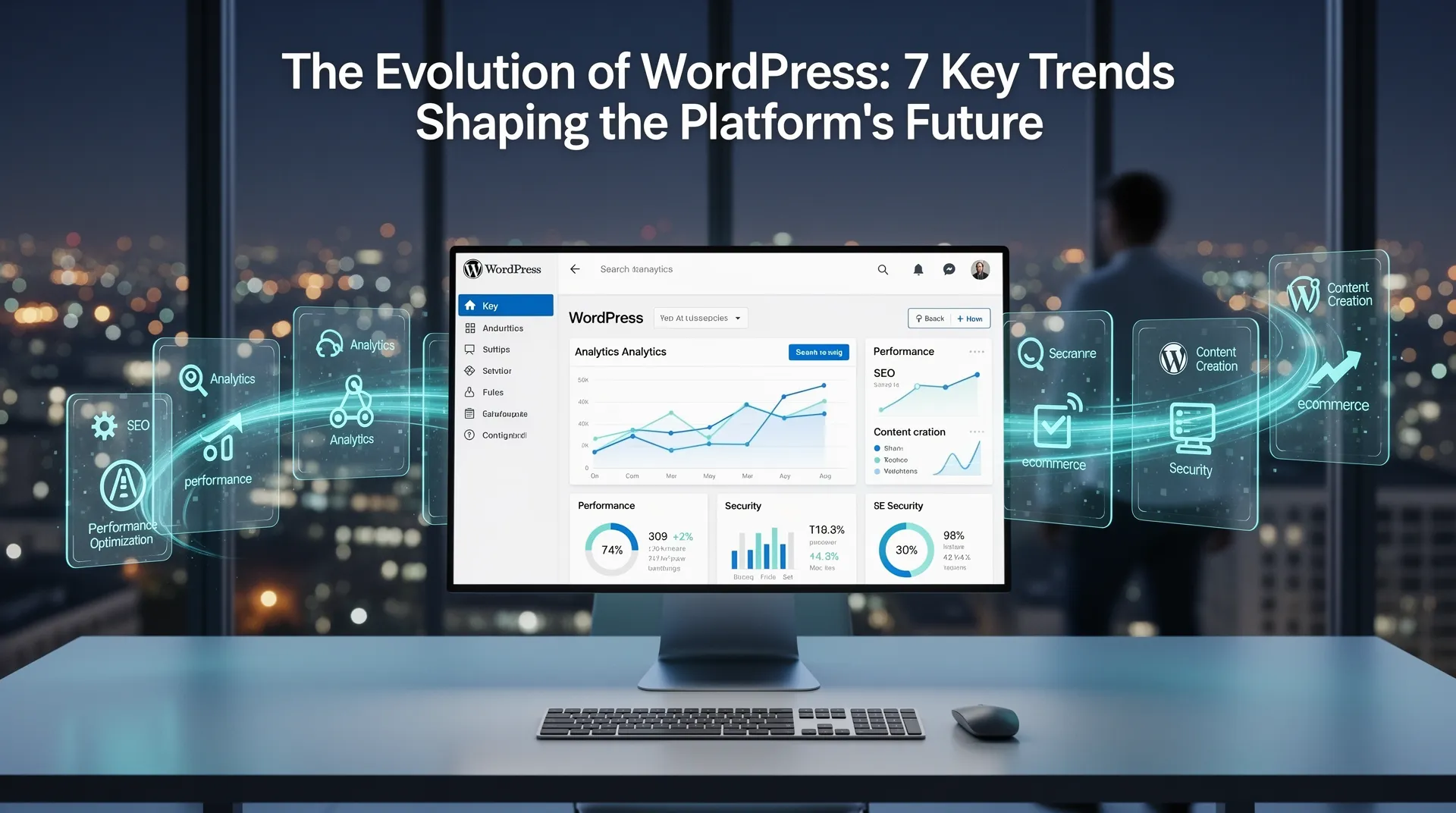
WordPress continues to dominate the content management system landscape, powering over 40% of all websites globally. As we move forward, several transformative trends are reshaping how WordPress operates, performs, and serves its vast community of users. Understanding these developments is crucial for developers, businesses, and content creators who want to stay ahead of the curve.
Block-Based Editing Revolution
The Gutenberg editor has fundamentally transformed WordPress content creation since its introduction. This block-based approach offers unprecedented flexibility, allowing users to create complex layouts without coding knowledge. The ongoing development includes enhanced block patterns, improved user interfaces, and more intuitive drag-and-drop functionality.
Full Site Editing (FSE) represents the next evolution, enabling users to customize entire website layouts through blocks. This shift moves WordPress away from traditional themes toward a more modular, component-based approach that empowers both developers and end-users.
Headless WordPress Architecture
The rise of headless CMS solutions has significantly impacted WordPress development strategies. By decoupling the backend content management from frontend presentation, WordPress can serve content to multiple platforms simultaneously – websites, mobile apps, IoT devices, and more.
This architecture leverages WordPress’s REST API and GraphQL capabilities, enabling developers to build faster, more scalable applications. Popular JavaScript frameworks like React, Vue.js, and Angular can consume WordPress content, creating dynamic user experiences with improved performance.
Performance and Core Web Vitals Focus
Google’s emphasis on Core Web Vitals has made website performance a critical ranking factor. WordPress has responded with several initiatives to improve loading speeds and user experience metrics. The introduction of WebP image format support, lazy loading implementation, and optimized database queries reflect this commitment.
Modern WordPress themes prioritize lightweight code, minimal HTTP requests, and efficient resource loading. Additionally, built-in performance features like caching recommendations and image optimization tools are becoming standard offerings.
Enhanced Security Measures
As cyber threats evolve, WordPress security continues to strengthen through automatic updates, improved authentication systems, and better vulnerability detection. Two-factor authentication integration, application passwords for REST API access, and enhanced user permission controls provide robust protection layers.
The WordPress security team actively collaborates with hosting providers and security companies to identify and address potential threats before they affect users. Regular security audits and penetration testing ensure the platform remains resilient against emerging attack vectors.
Mobile-First Development Approach
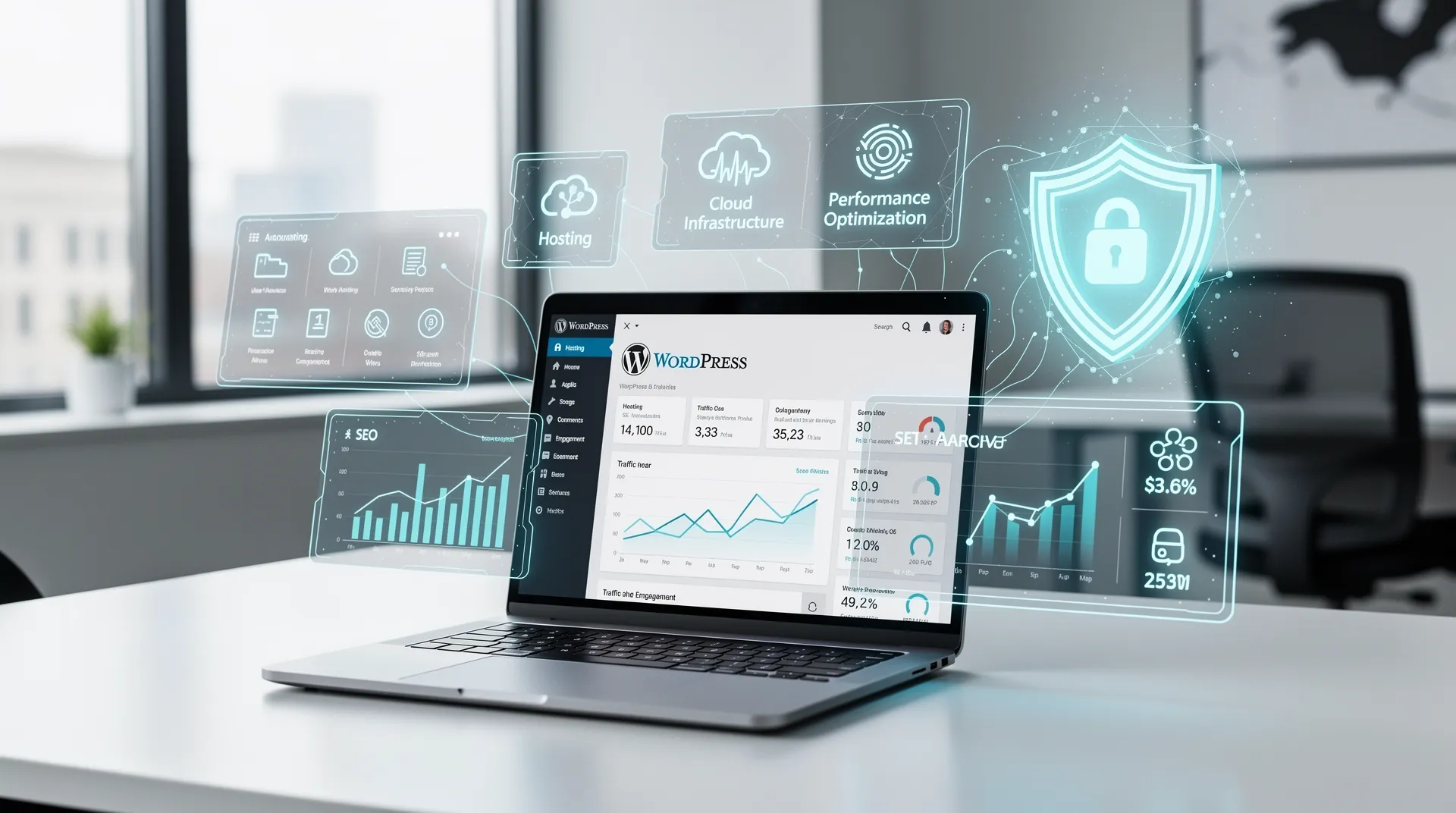
With mobile traffic exceeding desktop usage, WordPress themes and plugins now prioritize mobile optimization from the ground up. Responsive design principles, touch-friendly interfaces, and mobile-specific features have become essential rather than optional.
The block editor’s mobile interface continues improving, making content creation seamless across devices. Progressive Web App (PWA) capabilities allow WordPress sites to function like native mobile applications, offering offline functionality and push notifications.
Artificial Intelligence Integration
AI-powered features are increasingly integrated into WordPress workflows. Content generation tools, automated SEO optimization, intelligent image tagging, and chatbot integration represent just the beginning of this transformation.
Machine learning algorithms help with spam detection, content recommendations, and user behavior analysis. Voice search optimization and natural language processing capabilities are becoming more accessible through WordPress plugins and themes.
Community and Ecosystem Growth
The WordPress community continues expanding globally, with local meetups, WordCamps, and online resources multiplying rapidly. This growth fosters innovation, knowledge sharing, and collaborative development efforts that benefit the entire ecosystem.
The plugin and theme marketplaces are evolving with better quality standards, improved review processes, and enhanced user feedback systems. Educational resources, certification programs, and professional development opportunities are becoming more structured and accessible.
Preparing for WordPress’s Future
These trends indicate WordPress’s commitment to remaining relevant and competitive in an ever-changing digital landscape. Website owners should focus on adopting modern themes, optimizing for performance, and staying updated with the latest WordPress versions.
Developers benefit from learning new technologies like React, understanding REST API implementation, and mastering block development. The intersection of traditional WordPress development with modern web technologies creates exciting opportunities for innovation and growth.
As WordPress continues evolving, its core mission of democratizing web publishing remains unchanged while embracing cutting-edge technologies that enhance user experience and expand possibilities for creators worldwide.

No comments yet — be the first