
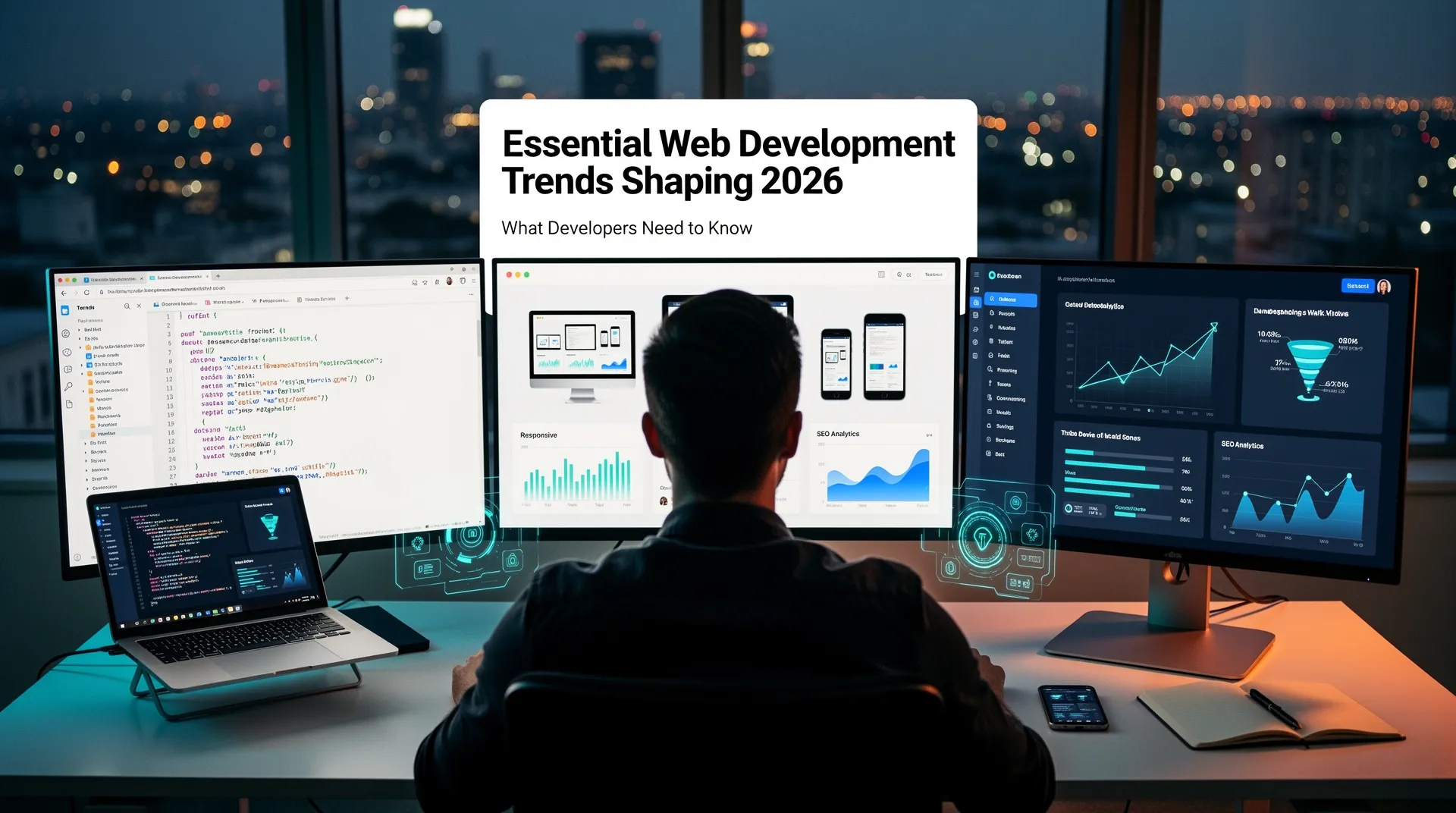
Introduction: The Evolution of Web Development
As we approach 2026, the web development landscape continues to evolve at an unprecedented pace. New technologies, frameworks, and methodologies are reshaping how we build and interact with digital experiences. Understanding these emerging trends is crucial for developers, designers, and businesses looking to stay competitive in the digital marketplace.
1. AI-Powered Development Tools and Code Generation
Artificial intelligence is revolutionizing the development process. AI-powered coding assistants and automated code generation tools are becoming increasingly sophisticated, enabling developers to write code faster and with fewer errors. These tools can suggest optimizations, detect bugs, and even generate entire code blocks based on natural language descriptions.
Machine learning algorithms are also being integrated into IDEs to provide intelligent autocomplete, refactoring suggestions, and real-time code analysis. This trend is not replacing developers but rather augmenting their capabilities and allowing them to focus on more creative and strategic aspects of development.
2. Progressive Web Applications (PWAs) Mainstream Adoption
Progressive Web Applications continue to gain momentum as businesses seek to provide app-like experiences without the complexity of native mobile development. PWAs offer offline functionality, push notifications, and seamless performance across devices.
The technology has matured significantly, with improved browser support and enhanced capabilities. Companies are increasingly choosing PWAs as a cost-effective solution to reach users across multiple platforms while maintaining a single codebase.
3. WebAssembly (WASM) for High-Performance Applications
WebAssembly is enabling web applications to achieve near-native performance by allowing developers to run code written in languages like C++, Rust, and Go directly in the browser. This technology is particularly valuable for computationally intensive applications such as image processing, gaming, and scientific simulations.
As WebAssembly support expands and tooling improves, we’re seeing more applications leverage this technology to deliver desktop-quality performance in web browsers.
4. Micro-Frontend Architecture Adoption
The micro-frontend approach is gaining traction as organizations seek to scale their development teams and maintain large applications more effectively. This architectural pattern allows teams to work independently on different parts of an application, similar to how microservices work on the backend.
Micro-frontends enable better team autonomy, technology diversity, and incremental upgrades. Popular frameworks and tools are emerging to support this architecture, making implementation more accessible to development teams.
5. Enhanced Focus on Web Accessibility (a11y)
Web accessibility is becoming a legal requirement in many jurisdictions, driving increased focus on inclusive design. Developers are adopting accessibility-first approaches, integrating testing tools into their workflows, and designing interfaces that work for users with diverse abilities.
Automated accessibility testing tools are becoming more sophisticated, helping developers identify and fix accessibility issues during the development process rather than as an afterthought.
6. Serverless and Edge Computing Integration
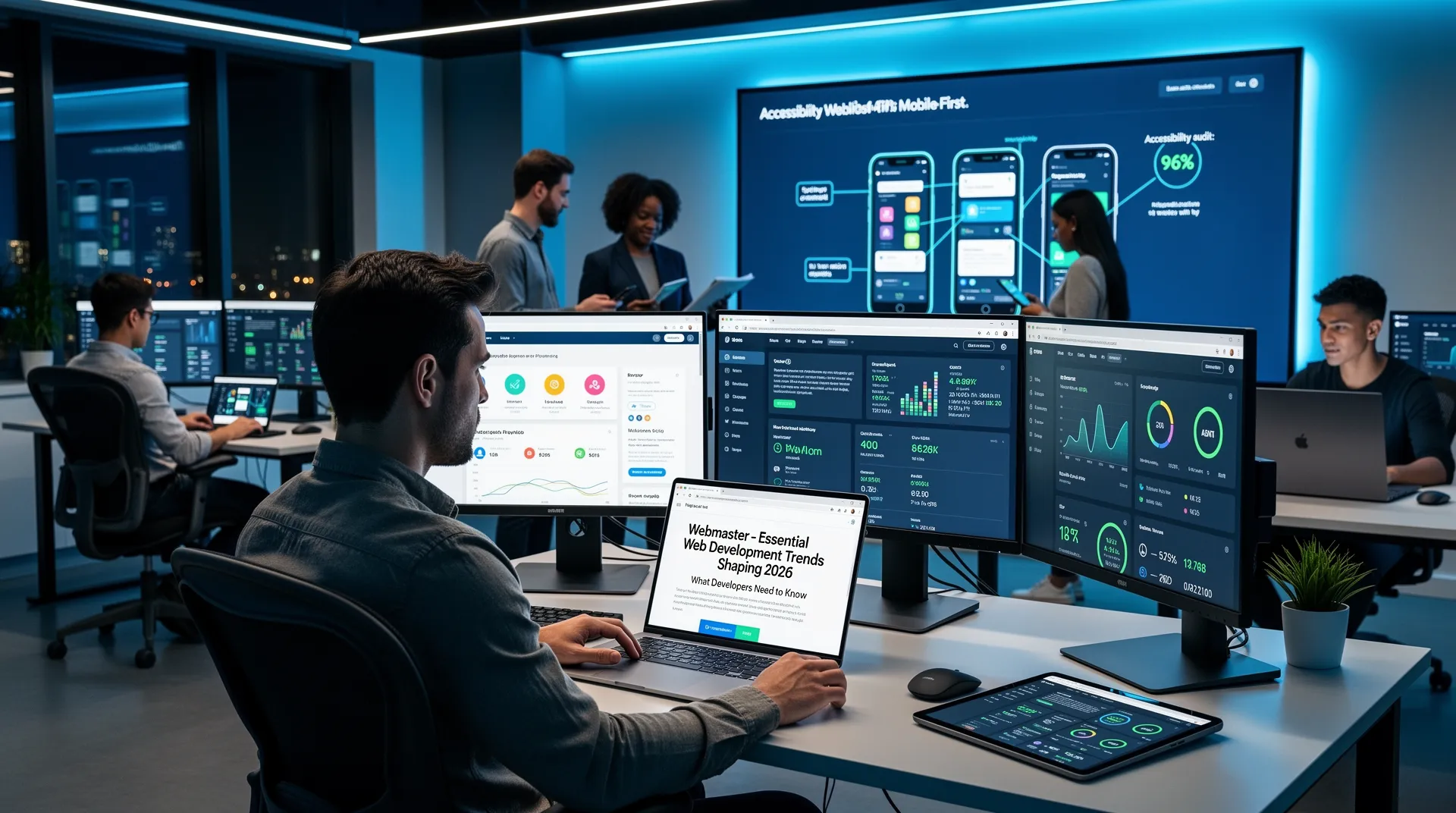
Serverless computing continues to reshape backend development, allowing developers to focus on code without managing infrastructure. Edge computing is taking this further by bringing computation closer to users, reducing latency and improving performance.
Edge functions and distributed computing are enabling new possibilities for real-time applications and global content delivery. This trend is particularly important for applications requiring low latency and high availability.
7. Advanced CSS Features and Modern Styling
CSS is evolving rapidly with new features like container queries, CSS Grid enhancements, and advanced animation capabilities. These improvements are reducing the need for JavaScript-based solutions for layout and styling challenges.
Modern CSS frameworks are embracing utility-first approaches and providing better developer experiences with improved build tools and optimization techniques.
8. Enhanced Security Measures and Zero-Trust Architecture
Web security is becoming more critical as cyber threats evolve. Developers are implementing zero-trust security models, enhanced authentication methods, and improved data protection measures.
Security-by-design approaches are becoming standard practice, with automated security testing integrated into CI/CD pipelines and better tools for vulnerability detection and remediation.
9. Green Web Development and Sustainability
Environmental consciousness is influencing web development practices. Developers are optimizing applications for energy efficiency, reducing data transfer, and choosing hosting solutions powered by renewable energy.
Performance optimization is being viewed through the lens of sustainability, with techniques that improve user experience while reducing environmental impact.
10. Advanced Developer Experience (DX) Tools
The developer experience continues to improve with better build tools, enhanced debugging capabilities, and more intuitive development environments. Hot module replacement, improved error reporting, and streamlined deployment processes are becoming standard expectations.
Modern development workflows emphasize automation, collaboration, and rapid iteration, supported by increasingly sophisticated toolchains and platforms.
Conclusion: Preparing for the Future
These trends represent both opportunities and challenges for web developers. Staying current with these developments while maintaining focus on fundamental principles like performance, accessibility, and user experience will be key to success in 2026 and beyond.
The web development ecosystem continues to mature, offering more powerful tools and capabilities while also increasing in complexity. Successful developers and teams will be those who can selectively adopt these trends based on their specific needs and constraints.


No comments yet — be the first