
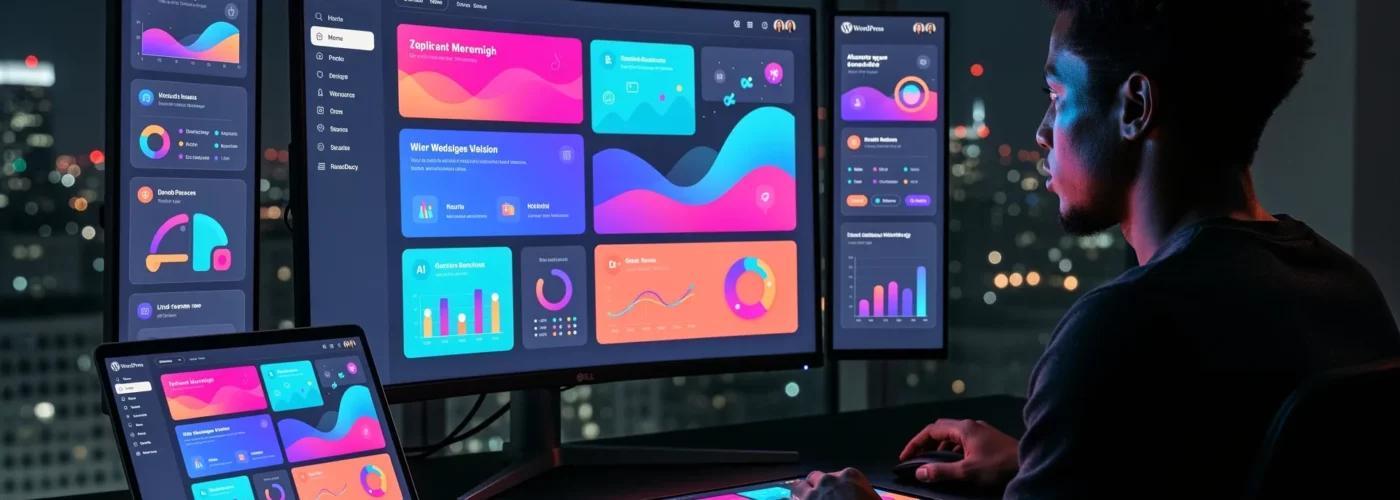
What’s Shaping WordPress Design in 2026?
The WordPress ecosystem continues to evolve at a rapid pace, and 2026 is proving to be one of the most transformative years yet for web design. From AI-powered personalization to tactile, expressive visuals making a dramatic comeback, WordPress designers and developers are embracing a new wave of creativity and functionality. Whether you’re building a fresh site or refreshing an existing one, understanding these emerging trends is essential to staying competitive.
1. AI-Driven Design and Personalization
Artificial intelligence has moved well beyond a buzzword — it is now a core component of how modern WordPress sites are built and experienced. In 2026, AI tools are being deeply integrated into the WordPress workflow, from smart layout suggestions in block editors to fully personalized content delivery based on user behavior.
AI-powered plugins and themes can now dynamically adjust page layouts, font choices, and color palettes in real time, tailoring the visual experience to individual visitors. This level of personalization was once reserved for enterprise-level platforms but has become increasingly accessible within the WordPress environment.
- Automated A/B testing driven by machine learning
- Smart chatbots embedded directly into page designs
- AI-generated imagery and copy suggestions natively within the block editor
- Predictive navigation that adapts to user journey patterns
2. Interactivity and Immersive Experiences
Static web pages are fading into the background. In 2026, WordPress sites are expected to feel alive — responding to user actions with fluid animations, dynamic scroll effects, and micro-interactions that reward engagement. This trend reflects a broader shift in user expectations: visitors want to feel like they’re participating in an experience, not just reading a document.
Tools like GSAP (GreenSock Animation Platform) and native WordPress interactivity APIs are making it easier than ever to implement complex animations without sacrificing performance. Scroll-triggered animations, parallax layering, hover-state transformations, and cursor effects are now standard features in premium WordPress themes.
Key Interactive Features Gaining Traction
- Scroll-driven storytelling with animated content reveals
- Cursor customization and magnetic hover effects
- Interactive product showcases and 3D model viewers
- Gamified elements such as progress bars and achievement unlocks
3. The Return of Bold, Expressive Typography
After years of minimalist, clean-cut design dominating the web, 2026 is witnessing a bold typographic renaissance. Large-scale, expressive fonts — often used as primary design elements rather than just carriers of text — are taking center stage on WordPress sites. Designers are pairing oversized headline fonts with generous white space to create dramatic visual hierarchies.
Variable fonts, which allow a single font file to behave across a range of weights and widths, are now widely supported and are being leveraged to create responsive, animated type that feels dynamic and alive. This approach adds a layer of personality and brand identity that was difficult to achieve with standard font stacks.
4. Dark Mode and Adaptive Color Schemes
Dark mode has matured from a novelty feature into a genuine design standard. In 2026, WordPress themes are being built with adaptive color systems that automatically switch between light and dark modes based on user preferences or time of day. This isn’t just about aesthetics — it’s also about accessibility and reducing eye strain for users who spend extended time on screens.
Gradient-rich dark backgrounds paired with vibrant accent colors are particularly popular, giving sites a sleek, premium feel. Many WordPress theme developers are offering granular dark mode controls, allowing users to customize their experience at the component level.
5. Bento Grid Layouts
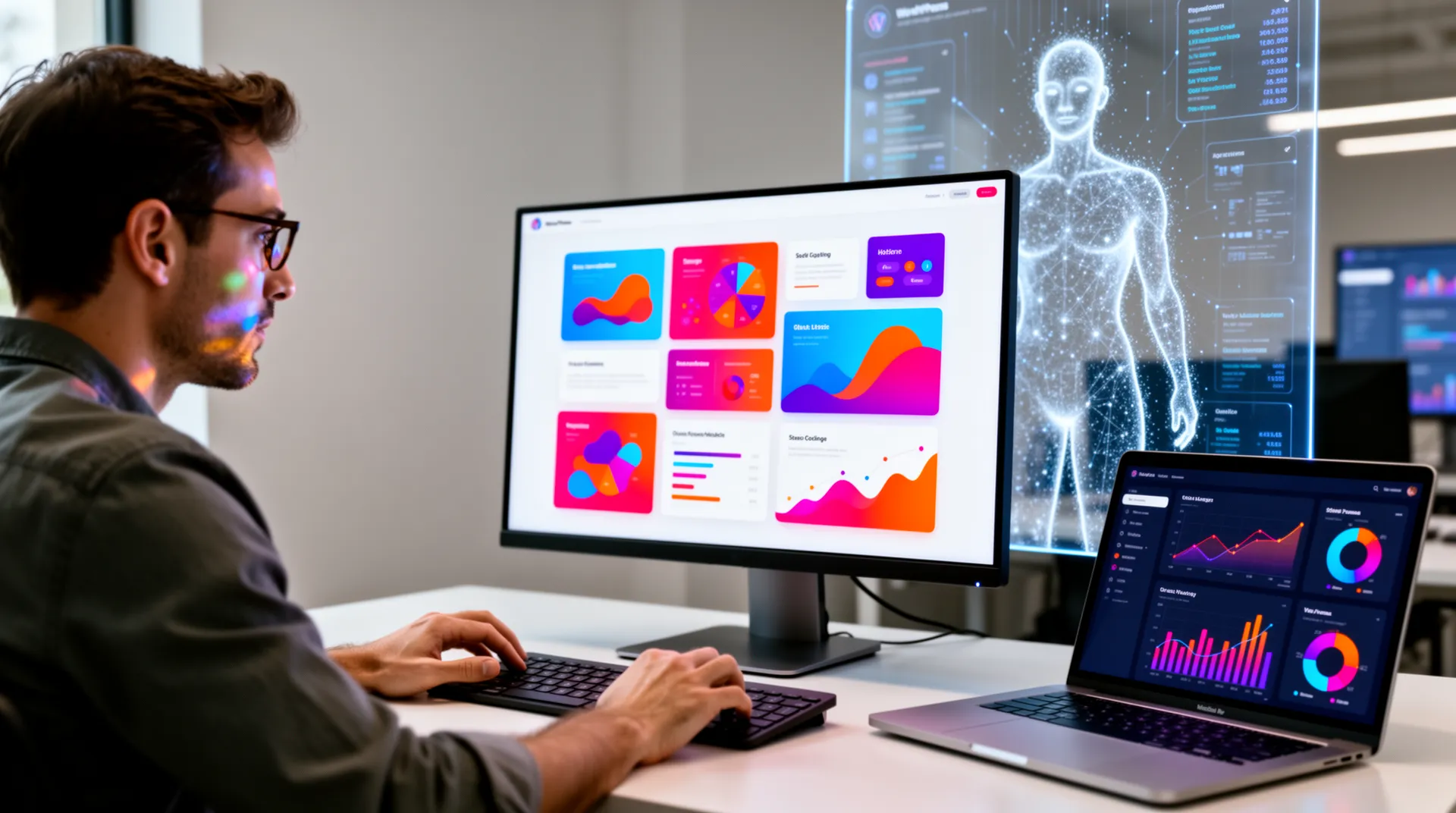
Inspired by structured modular design systems, the “bento grid” layout — a mosaic of different-sized cards arranged in a clean, asymmetric grid — has become one of the most recognizable visual trends of 2026. First popularized by Apple’s product marketing pages, this layout style has been enthusiastically adopted across the WordPress ecosystem.
The bento grid works exceptionally well for portfolios, service showcases, and feature highlights. Its modular nature fits naturally with the WordPress block editor’s row and column blocks, making it accessible even to non-developers. Expect to see this layout style in a growing number of Gutenberg-based themes and page templates.
6. Sustainable and Performance-First Design
As digital sustainability becomes a greater concern, WordPress designers in 2026 are prioritizing performance-first development practices. Lightweight themes, optimized images, and efficient code structures are no longer optional — they’re central to the design philosophy. Google’s Core Web Vitals remain a critical ranking factor, and designers are building sites that look stunning while loading at lightning speed.
- Use of next-generation image formats like AVIF and WebP
- Critical CSS delivery and deferred JavaScript loading
- Minimal plugin architectures in favor of native block functionality
- Green hosting compatibility and low-carbon design principles
7. Full-Site Editing (FSE) Maturity
WordPress Full-Site Editing has reached a new level of maturity in 2026. What was once an experimental feature is now a fully-fledged design system that empowers users to visually control every aspect of their website — from headers and footers to archive pages and 404 templates — without touching a line of code.
Block themes built on FSE are surpassing classic themes in adoption rates, and the ecosystem of FSE-compatible plugins has expanded dramatically. Designers are using the Site Editor to build highly customized, brand-consistent experiences with far greater flexibility than was previously possible in WordPress.
FSE Highlights in 2026
- Style variations allowing one-click design palette swaps
- Pattern-based design libraries for rapid site construction
- Deeper integration between FSE and WooCommerce templates
- Custom block creation with the Block Bindings API
8. Nostalgia and Retro Aesthetics
Paradoxically, as technology advances, designers are increasingly drawing inspiration from the past. In 2026, retro design elements — grainy textures, pixel art motifs, 90s-era web aesthetics, and vintage color palettes — are being blended with modern UX principles to create sites that feel simultaneously familiar and fresh. This “new nostalgia” trend resonates strongly with millennial and Gen Z audiences who have an emotional connection to earlier digital eras.
WordPress theme developers are capitalizing on this trend by releasing retro-inspired themes that incorporate grain overlays, hand-drawn illustrations, and chunky UI elements alongside modern performance standards.
Conclusion: Designing for the Future on WordPress
The WordPress design landscape in 2026 is defined by a compelling tension between innovation and authenticity. AI and interactivity push the boundaries of what’s technically possible, while bold typography and retro aesthetics remind us that great design is ultimately about human connection. Whether you’re a seasoned developer or a site owner looking to refresh your digital presence, embracing these trends will help you build WordPress experiences that are not only visually compelling but also strategically effective.
The key takeaway: don’t chase every trend blindly. Instead, identify the two or three directions that align best with your brand identity and audience expectations — and implement them with intention and excellence.

No comments yet — be the first