
SEO in 2026: A New Era of Search
Search engine optimisation is evolving faster than ever before. In 2026, brands that fail to adapt to the shifting landscape risk losing visibility, traffic, and ultimately, revenue. From the dominance of AI-driven search results to the growing importance of user experience signals, the SEO playbook has changed dramatically. Here’s everything your brand needs to know to stay competitive this year.
1. AI Overviews Are Redefining How Users Interact With Search
Google’s AI Overviews — formerly known as Search Generative Experience (SGE) — have fundamentally transformed how search results are displayed. Instead of simply listing blue links, Google now generates AI-powered summaries at the top of search results pages. This means users can get answers without ever clicking through to a website.
For brands, this creates both a challenge and an opportunity. The challenge is a potential reduction in organic click-through rates. The opportunity lies in being cited as a source within those AI-generated summaries. To earn that position, your content needs to be authoritative, well-structured, and directly answer the questions users are asking.
What to do: Focus on creating content that answers specific questions clearly and concisely. Use structured data markup to help search engines understand your content’s context, and ensure your brand is recognised as a credible source within your niche.
2. E-E-A-T Is More Important Than Ever
Google’s quality guidelines place enormous weight on Experience, Expertise, Authoritativeness, and Trustworthiness — collectively known as E-E-A-T. In 2026, this framework is not just a guideline; it’s a core ranking signal that separates high-performing content from content that gets buried.
Brands need to demonstrate real-world experience and deep subject matter expertise. This means featuring genuine author profiles, earning backlinks from reputable sources, maintaining accurate and up-to-date information, and building a consistent online reputation across platforms.
What to do: Invest in building your brand’s authority. Publish thought leadership content, secure guest posts on high-authority websites, and ensure every piece of content is attributed to a credible author with verifiable credentials.
3. Zero-Click Searches and Brand Visibility
Zero-click searches — where users find the answer directly on the results page without visiting any site — now account for a significant portion of all Google searches. Featured snippets, knowledge panels, and AI Overviews all contribute to this trend.
Rather than viewing zero-click searches purely as lost traffic, forward-thinking brands are using them as brand awareness tools. Appearing in a featured snippet or knowledge panel reinforces brand recognition, even when no click occurs.
What to do: Optimise content for featured snippets by using clear, concise answers to common questions. Claim and regularly update your Google Business Profile. Structure content using Q&A formats, tables, and numbered lists to increase snippet eligibility.
4. Technical SEO Remains the Foundation
No matter how much the SEO landscape shifts, technical SEO remains a non-negotiable foundation. In 2026, Core Web Vitals continue to be a key ranking factor, with Google placing particular emphasis on Largest Contentful Paint (LCP), Interaction to Next Paint (INP), and Cumulative Layout Shift (CLS).
Page speed, mobile responsiveness, secure HTTPS connections, and clean site architecture all play crucial roles in how well a website performs in search. A technically sound website ensures that search engine crawlers can efficiently index your content — without that, even the best content may go unnoticed.
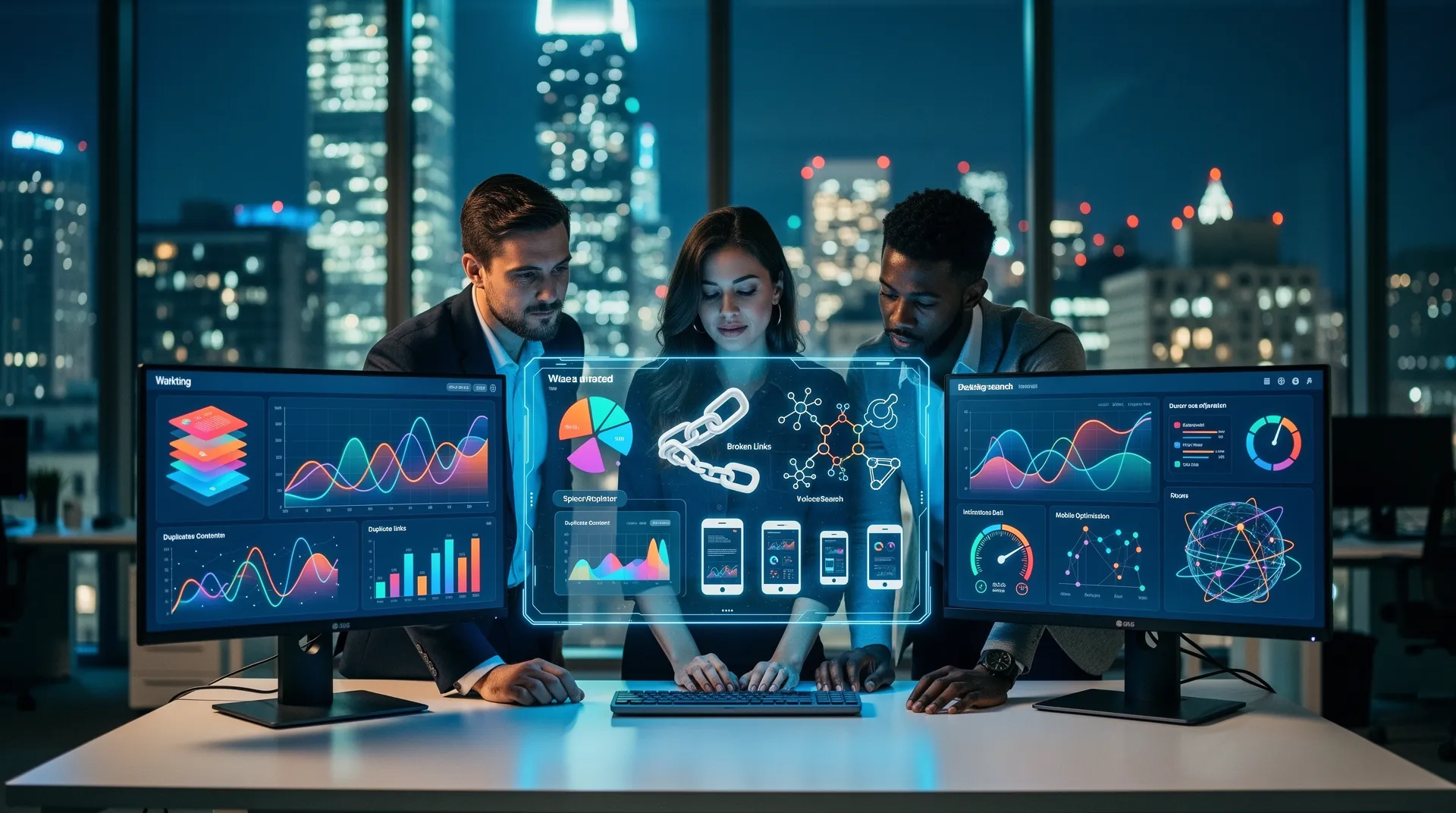
What to do: Conduct regular technical SEO audits. Use tools like Google Search Console, Screaming Frog, and PageSpeed Insights to identify and fix crawl errors, slow-loading pages, broken links, and duplicate content issues.
5. Voice and Conversational Search Optimisation
The continued rise of smart devices and AI assistants means that voice search is a significant component of how people find information. Voice queries tend to be longer, more conversational, and question-based compared to traditional typed searches.
Optimising for conversational search requires a shift in how content is written. Natural language, FAQ sections, and long-tail keyword strategies are all essential for capturing voice search traffic in 2026.
What to do: Build out FAQ pages using natural, conversational language. Target long-tail keywords that mirror how people speak, not just how they type. Ensure your content provides direct, succinct answers that virtual assistants can easily pull and read aloud.
6. The Rise of Search Everywhere Optimisation
Search is no longer limited to Google. In 2026, consumers are searching across a wide range of platforms including TikTok, Instagram, YouTube, Reddit, Amazon, and AI-powered tools like ChatGPT and Perplexity. This phenomenon — often called “Search Everywhere Optimisation” — requires brands to think beyond traditional search engines.
Younger audiences in particular are turning to social platforms and AI tools to discover products, services, and information. If your brand isn’t optimised for these channels, you’re missing a substantial share of search-driven demand.
What to do: Develop a multi-platform content strategy. Optimise your YouTube videos with keyword-rich titles, descriptions, and tags. Maintain an active presence on social platforms where your target audience is searching. Ensure your brand is mentioned and cited accurately across the web so AI tools surface it in relevant queries.
7. Content Quality Over Quantity
Google’s Helpful Content Updates have made it abundantly clear: content created primarily for search engines, rather than people, will be penalised. In 2026, the focus must firmly be on producing genuinely helpful, in-depth content that serves user intent.
Thin, repetitive, or AI-generated content that lacks originality and depth will struggle to rank. Brands need to invest in high-quality content that provides unique insights, real-world value, and a satisfying experience for the reader.
What to do: Audit your existing content library and prune or improve underperforming pages. Prioritise depth and relevance over volume. Use original research, expert commentary, and multimedia elements to enrich your content and differentiate it from competitors.
8. Local SEO and Hyperlocal Targeting
For businesses with a physical presence or a geographically defined customer base, local SEO is more critical than ever. “Near me” searches and location-based queries continue to grow, with mobile users especially relying on local search to make purchasing decisions.
Hyperlocal targeting — optimising for specific neighbourhoods, postcodes, or districts — is an emerging tactic that allows brands to capture highly relevant traffic with strong commercial intent.
What to do: Keep your Google Business Profile fully optimised with accurate information, photos, and regular posts. Build local citations and earn reviews from genuine customers. Create localised landing pages that speak directly to the needs and interests of customers in specific areas.
Final Thoughts: Adapting to Win in 2026
The SEO trends shaping 2026 share a common thread: they all demand that brands put the user experience first. Whether it’s producing authoritative content, ensuring technical excellence, or showing up across multiple search platforms, success in modern SEO requires a holistic, user-centric approach.
Brands that embrace these shifts — rather than resist them — will be best positioned to grow their organic presence, build lasting authority, and drive meaningful results in an increasingly competitive digital landscape.
No comments yet — be the first