
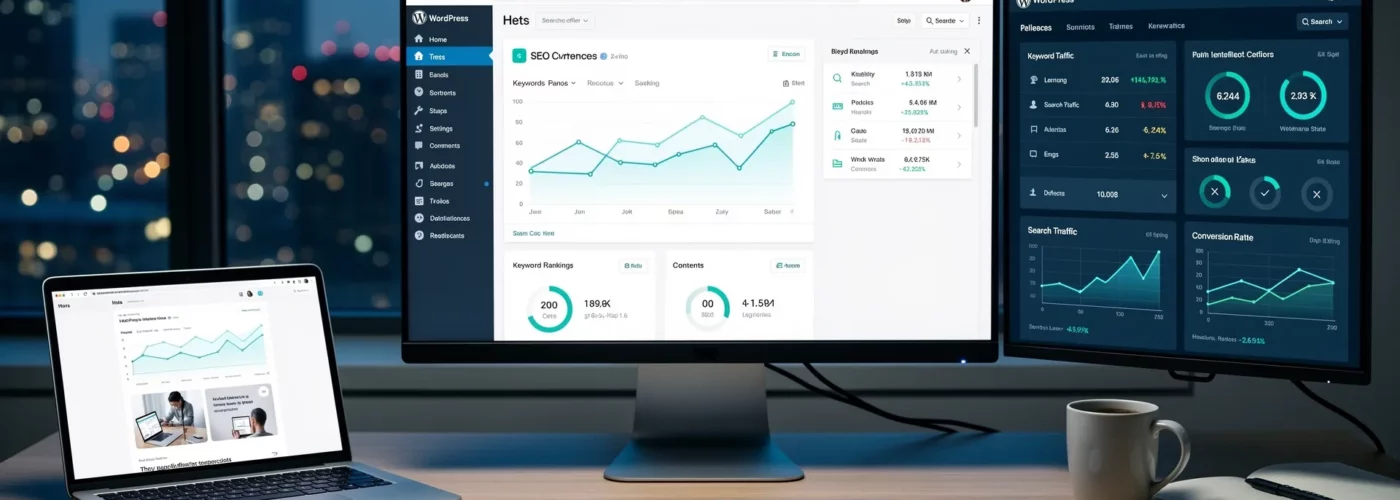
Why WordPress Remains the Leading CMS in 2026
WordPress continues to dominate the content management system landscape in 2026, powering more than 40% of all websites on the internet. Whether you are a blogger, a small business owner, or an enterprise-level developer, WordPress offers a flexible, scalable, and user-friendly platform that adapts to virtually any digital need. As the ecosystem evolves, staying up to date with the latest WordPress trends, plugins, and best practices is more important than ever.
What Makes WordPress Stand Out Among Other Platforms
One of the core reasons WordPress has maintained its dominance is its open-source nature. Developers and designers from around the world contribute to a continuously growing library of themes, plugins, and block patterns. This community-driven model ensures that WordPress stays relevant and feature-rich without locking users into expensive proprietary ecosystems.
Beyond flexibility, WordPress benefits from a massive support community. Whether you need help troubleshooting a plugin conflict, optimizing your site’s speed, or configuring a complex e-commerce setup, there is almost always a forum thread, YouTube tutorial, or documentation page ready to guide you.
Key WordPress Trends Shaping 2026
1. Full Site Editing (FSE) Goes Mainstream
Full Site Editing, introduced through the Gutenberg block editor, has matured significantly and is now considered a standard approach for building WordPress websites in 2026. With FSE, users can visually design every part of their website — from the header and footer to individual post templates — without writing a single line of code. This democratizes web design and reduces the dependency on page builders like Elementor or Divi for many use cases.
Block themes, which are built to take full advantage of FSE, are now widely available and offer impressive design flexibility. Theme developers are increasingly adopting this standard, making it easier for beginners and experts alike to craft beautiful, responsive websites.
2. AI-Powered WordPress Plugins
Artificial intelligence has made its way into the WordPress ecosystem in a big way. In 2026, AI-powered plugins are helping website owners automate content creation, optimize SEO in real time, generate product descriptions for WooCommerce stores, and even provide intelligent chatbot support for visitors. Tools that integrate with large language models are now common in the WordPress plugin repository, making it easier than ever to leverage AI without technical expertise.
Popular uses of AI in WordPress include:
- Automated meta tag and title generation for SEO
- Smart image alt-text suggestions for accessibility
- AI-assisted blog post drafting and editing
- Dynamic personalization for e-commerce product recommendations
- Automated translation and multilingual content management
3. Performance Optimization Takes Center Stage
With Google’s Core Web Vitals continuing to influence search rankings, website performance has become a non-negotiable priority in 2026. WordPress developers and site owners are investing heavily in speed optimization strategies, including the adoption of lightweight themes, efficient caching solutions, and modern image formats like WebP and AVIF.
Hosting providers have also stepped up their game, offering server-side caching, edge delivery networks, and WordPress-specific optimization tools as standard features in their plans. Managed WordPress hosting platforms like Kinsta, WP Engine, and Pressable have made it significantly easier for non-technical users to achieve excellent performance scores without deep server knowledge.
4. Headless WordPress Architecture
Headless WordPress — where WordPress serves as the backend content management system while the front end is powered by a modern JavaScript framework like Next.js or Nuxt.js — continues to gain traction in 2026. This approach allows developers to build incredibly fast, app-like user experiences while still leveraging the familiar WordPress admin interface for content management.
The REST API and GraphQL (via the WPGraphQL plugin) have made it easier than ever to query WordPress content and deliver it to any front end. Enterprise brands and digital agencies are increasingly adopting headless WordPress for high-traffic websites and complex digital experiences.
Essential Plugins Every WordPress Site Should Have in 2026

The WordPress plugin ecosystem continues to grow, but a handful of must-have plugins have stood the test of time while evolving to meet modern demands:
- Yoast SEO or Rank Math: Comprehensive on-page SEO management with AI-powered suggestions
- WooCommerce: The go-to solution for building fully functional online stores
- Wordfence or Sucuri: Robust security plugins to protect against malware and brute-force attacks
- WP Rocket or LiteSpeed Cache: Powerful caching and performance optimization tools
- UpdraftPlus: Reliable automated backups to keep your data safe
- Elementor or Bricks Builder: Visual page builders for those who prefer drag-and-drop design
- WP Multilingual (WPML): Comprehensive multilingual support for global audiences
WordPress Security Best Practices for 2026
As WordPress’s popularity grows, so does its appeal as a target for cybercriminals. Maintaining a secure WordPress website requires a proactive approach. Here are the most critical security practices every WordPress site owner should follow:
- Keep WordPress core, themes, and plugins updated at all times
- Use strong, unique passwords and enable two-factor authentication (2FA)
- Limit login attempts and change the default login URL
- Install a reputable security plugin and run regular malware scans
- Choose a hosting provider with built-in security features and SSL certificates
- Perform regular automated backups stored in an off-site location
How to Get Started or Level Up Your WordPress Skills
Whether you are launching your first WordPress website or looking to refine your skills as a developer, 2026 offers more resources than ever before. Online learning platforms like LinkedIn Learning, Udemy, and the official WordPress.org documentation provide comprehensive courses covering everything from basic setup to advanced theme and plugin development.
Joining local or virtual WordPress communities — such as WordCamps, Meetup groups, and online forums — is another excellent way to stay current, network with other professionals, and discover emerging tools and techniques. The collaborative spirit of the WordPress community remains one of its greatest strengths.
Final Thoughts
WordPress in 2026 is more powerful, flexible, and accessible than at any point in its history. From AI-powered plugins and Full Site Editing to headless architecture and performance-first development, the platform continues to evolve to meet the needs of a fast-changing digital world. By staying informed about the latest trends and best practices, you can ensure your WordPress website remains competitive, secure, and ready for whatever comes next.
No comments yet — be the first