
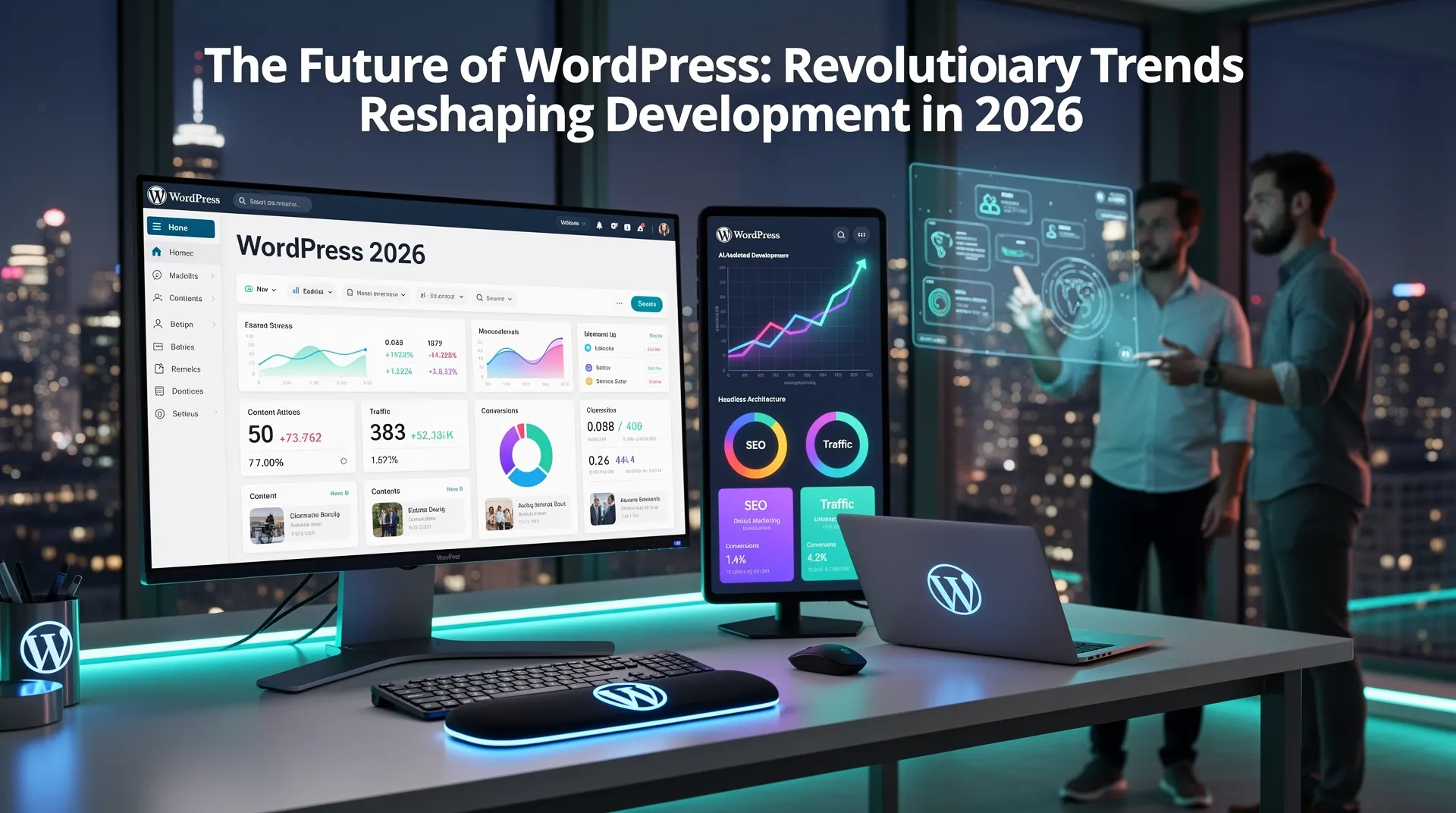
WordPress Evolution: What’s Driving Change in 2026
As we navigate through 2026, WordPress continues to dominate the content management landscape, but its evolution has accelerated dramatically. The platform that powers over 40% of the web is experiencing unprecedented transformation, driven by emerging technologies and changing user expectations. Understanding these current trends is essential for developers, businesses, and content creators looking to stay competitive.
Full Site Editing Takes Center Stage
The Full Site Editing (FSE) capabilities introduced through the Gutenberg editor have reached maturity in 2026. This revolutionary approach allows users to customize every aspect of their website directly from the WordPress dashboard, eliminating the traditional boundaries between content and design.
Modern WordPress themes are being built specifically for FSE, offering unprecedented flexibility. Users can now modify headers, footers, sidebars, and entire page layouts without touching a single line of code. This democratization of web design has empowered content creators to build sophisticated websites that were previously only possible with extensive development knowledge.
Block Themes Dominate the Market
Traditional PHP-based themes are rapidly becoming obsolete as block themes take over the WordPress ecosystem. These new themes leverage JSON files and HTML templates, providing faster loading times and seamless integration with the block editor. The shift represents a fundamental change in how WordPress themes are conceived and developed.
Artificial Intelligence Integration
AI-powered features have become standard in WordPress development during 2026. From content generation to automated SEO optimization, artificial intelligence is transforming how websites are built and maintained.
Smart content suggestions, automated alt-text generation for images, and AI-driven layout recommendations are now commonplace. These features not only save time but also help create more accessible and SEO-friendly websites. WordPress plugins are increasingly incorporating machine learning algorithms to provide personalized user experiences and predictive content strategies.
Automated Performance Optimization
AI algorithms now automatically optimize WordPress sites by analyzing user behavior patterns, identifying bottlenecks, and implementing performance improvements in real-time. This includes dynamic image compression, intelligent caching strategies, and automatic code minification based on usage patterns.
Headless WordPress Architecture
The separation of WordPress backend from frontend presentation layers has gained significant momentum in 2026. This headless approach allows developers to use WordPress as a content management system while leveraging modern frontend frameworks like React, Vue.js, or Angular for the user interface.
Major benefits include improved performance, enhanced security, and greater flexibility in design implementation. E-commerce sites and high-traffic platforms are particularly benefiting from this architecture, as it enables faster page loads and better scalability.
API-First Development
WordPress REST API has evolved to support more complex operations, making headless implementations more practical and feature-rich. GraphQL integration has also improved, providing developers with more efficient data querying capabilities.
Enhanced Security Protocols
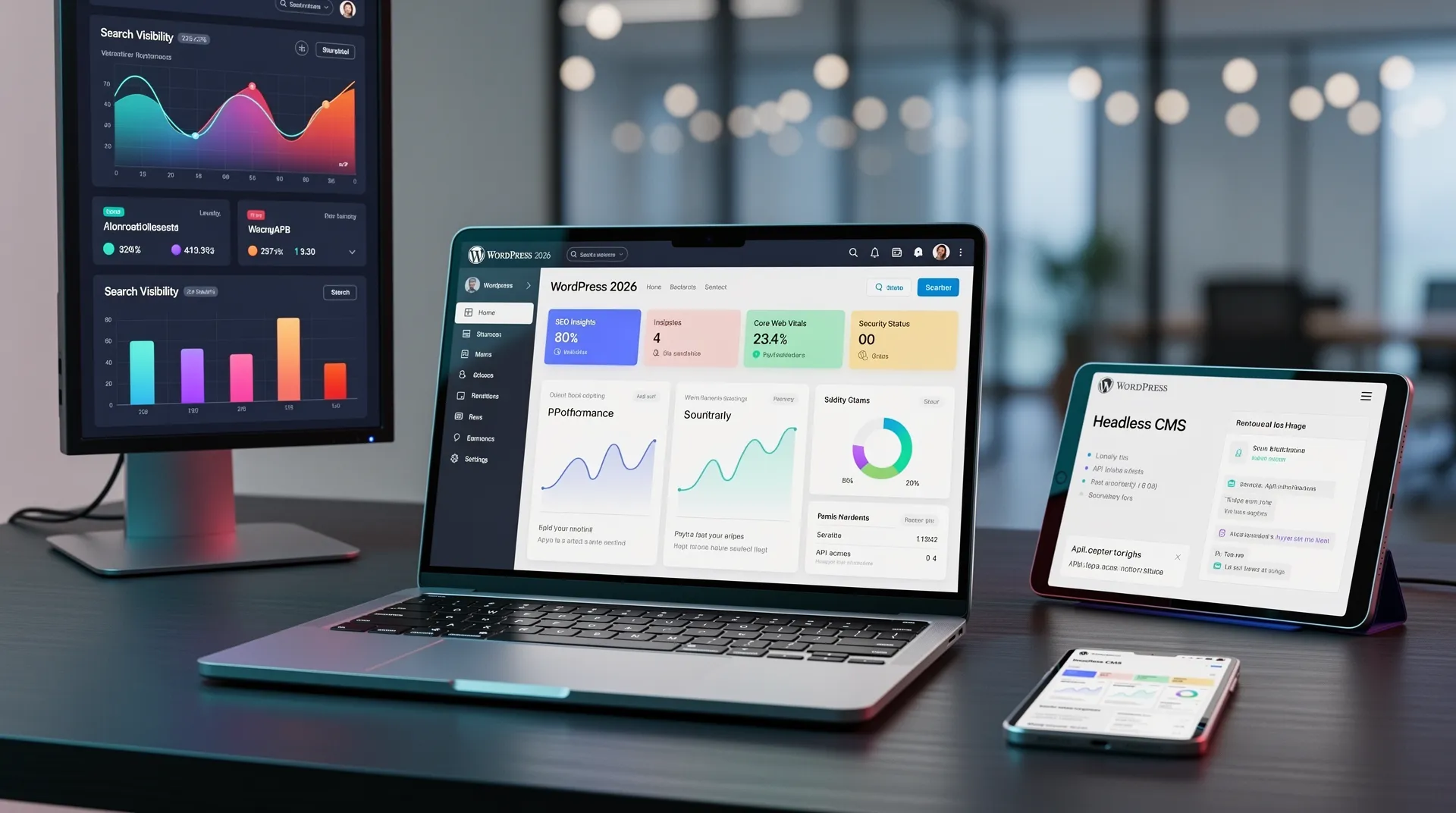
Security concerns have driven significant improvements in WordPress core and plugin development practices throughout 2026. Two-factor authentication has become standard, while advanced threat detection systems are now built into most professional WordPress installations.
Zero-trust security models are being implemented, where every request is verified regardless of its source. This approach has significantly reduced security vulnerabilities and improved overall site protection. Regular automated security audits and real-time monitoring have become essential features rather than optional add-ons.
Advanced User Authentication
Biometric authentication and passwordless login systems are increasingly common, providing enhanced security while improving user experience. These systems integrate seamlessly with existing WordPress user management features.
Mobile-First Design Philosophy
With mobile traffic continuing to dominate web usage, WordPress development in 2026 prioritizes mobile experiences above all else. Progressive Web App (PWA) capabilities are now standard in most WordPress themes, providing app-like experiences directly through web browsers.
Touch-optimized interfaces, gesture-based navigation, and offline functionality have become essential features. WordPress developers are implementing advanced caching strategies and lightweight frameworks to ensure optimal performance on mobile devices.
Responsive Block Patterns
Pre-designed block patterns that automatically adapt to different screen sizes are revolutionizing how content is structured. These patterns ensure consistent user experiences across all devices while maintaining visual appeal and functionality.
Sustainability and Green Hosting
Environmental consciousness has influenced WordPress development trends significantly in 2026. Green hosting solutions and carbon-neutral websites are becoming priorities for businesses and developers alike.
Optimization techniques focus not only on performance but also on reducing server resource consumption and energy usage. Lightweight themes, efficient coding practices, and sustainable hosting providers are driving this eco-friendly transformation.
Performance Metrics Include Environmental Impact
Website performance tools now include carbon footprint measurements, helping developers create more environmentally responsible websites while maintaining excellent user experiences.
Community and Open Source Collaboration
The WordPress community has strengthened its collaborative efforts in 2026, with improved contribution processes and more inclusive development practices. Global virtual events and distributed development teams have accelerated innovation and plugin development.
Open source principles continue to drive WordPress evolution, ensuring that advancements benefit the entire community rather than individual corporations. This collaborative approach has resulted in more stable, secure, and feature-rich WordPress installations.
As we progress through 2026, these trends are reshaping how we approach WordPress development and website creation. Staying informed and adapting to these changes will be crucial for success in the evolving digital landscape.
No comments yet — be the first