
The Evolution of Google Ads: What’s Driving Success in 2026
The digital advertising landscape has undergone dramatic transformations, with Google Ads leading the charge in 2026. As businesses navigate an increasingly competitive online environment, understanding the latest trends and strategies has become crucial for maximizing advertising ROI and reaching target audiences effectively.
AI-Powered Campaign Optimization Takes Center Stage
Artificial intelligence has revolutionized how advertisers approach campaign management in 2026. Machine learning algorithms now handle complex bidding strategies with unprecedented precision, analyzing millions of data points to optimize ad performance in real-time. Smart Bidding strategies have evolved beyond basic conversions, incorporating advanced customer lifetime value predictions and cross-device attribution models.
Performance Max campaigns have become the cornerstone of successful advertising strategies, leveraging Google’s AI to automatically place ads across all Google properties. These campaigns now feature enhanced audience insights and predictive analytics that help advertisers identify high-value prospects before competitors can reach them.
First-Party Data Integration Becomes Essential
With privacy regulations continuing to reshape digital advertising, first-party data has emerged as the most valuable asset for advertisers in 2026. Companies that have invested in robust customer data platforms are seeing significantly higher conversion rates and lower acquisition costs.
Google Ads now offers sophisticated tools for integrating customer databases with advertising campaigns, enabling personalized ad experiences that respect user privacy while delivering relevant content. Enhanced conversions and customer match features have become indispensable for maintaining competitive advantage.
Video and Visual Content Dominate Ad Formats
The shift toward visual storytelling has accelerated dramatically, with video ads now accounting for the majority of successful campaigns. YouTube Shorts advertising has exploded in popularity, offering brands new opportunities to engage younger demographics through authentic, creative content.
Interactive ad formats, including augmented reality experiences and shoppable video content, are transforming how consumers interact with brands. These immersive experiences generate higher engagement rates and create memorable brand connections that traditional text ads simply cannot match.
Local Search and Proximity Marketing Revolution
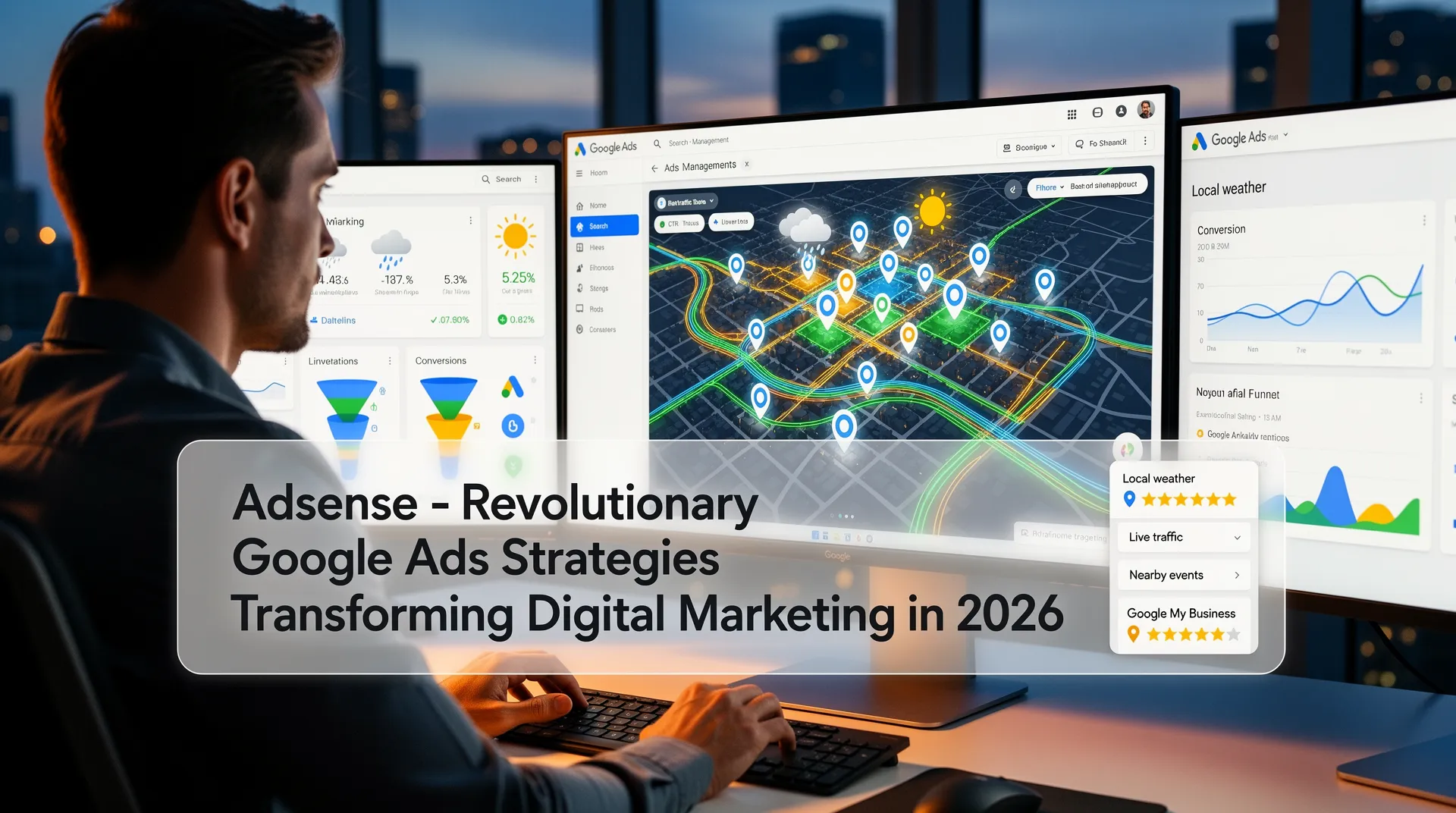
Location-based advertising has reached new levels of sophistication in 2026, with hyper-local targeting capabilities that consider real-time factors like weather, local events, and traffic patterns. Businesses are leveraging these advanced location signals to deliver contextually relevant ads that drive immediate action.
Google My Business integration with advertising campaigns has become seamless, allowing local businesses to automatically adjust their ad spend based on foot traffic patterns and inventory levels. This dynamic approach ensures marketing budgets are allocated when and where they can generate the most impact.
Sustainability and Purpose-Driven Advertising
Consumer values have shifted dramatically, with sustainability and social responsibility becoming primary factors in purchasing decisions. Advertisers are responding by highlighting their environmental commitments and social impact initiatives in their campaign messaging.
Google Ads has introduced new features that help brands showcase their sustainability credentials, including carbon footprint badges and ethical sourcing certifications. These elements not only appeal to conscious consumers but also improve ad quality scores and reduce costs.
Advanced Automation and Budget Optimization
Campaign automation has evolved far beyond basic rules and schedules. In 2026, advertisers are using predictive automation that anticipates market changes and adjusts strategies proactively. Budget allocation now happens dynamically across campaigns, channels, and time periods based on real-time performance data and forecasting models.
Cross-platform campaign orchestration allows advertisers to maintain consistent messaging while optimizing spend across Google’s entire ecosystem, from Search and Display to YouTube and Shopping ads.
Voice Search and Conversational Commerce
The rise of voice-activated devices and conversational AI has created new opportunities for advertisers to reach consumers through natural language interactions. Voice search optimization has become a critical component of keyword strategy, with long-tail, conversational queries driving significant traffic.
Advertisers are adapting their content to match the way people naturally speak, focusing on question-based keywords and local intent signals that capture voice search behavior.
Preparing for Continued Evolution
Success in Google Ads requires constant adaptation and learning. The most successful advertisers in 2026 are those who embrace experimentation, invest in data quality, and maintain a customer-centric approach to their advertising strategies.
As the platform continues to evolve, staying informed about new features and best practices while maintaining focus on fundamental advertising principles will determine long-term success in the ever-changing digital landscape.

No comments yet — be the first