

SEO in 2026: The Trends Reshaping How Search Engines Work
Search engine optimization continues to evolve at a breathtaking pace. In 2026, SEO professionals are navigating a landscape that looks fundamentally different from just a few years ago. Artificial intelligence, evolving user behavior, and smarter search algorithms have rewritten the rulebook. Whether you’re a seasoned marketer or just getting started, understanding these trends is essential to staying competitive in organic search.
AI Is Now Central to Every Stage of SEO
Artificial intelligence isn’t just a tool that assists SEO — in 2026, it’s deeply embedded in how search engines evaluate, rank, and deliver content. Google’s AI-powered systems have become increasingly sophisticated at understanding context, intent, and content quality at a level that was previously impossible.
For SEO practitioners, this means that writing for algorithms is effectively obsolete. Search engines are rewarding content that genuinely serves the reader’s intent over content stuffed with keywords. AI tools are also helping SEO teams scale content production, automate technical audits, and analyze vast datasets to identify ranking opportunities faster than ever before.
- AI-generated content must be carefully human-reviewed to ensure E-E-A-T (Experience, Expertise, Authoritativeness, Trustworthiness) standards are met.
- Machine learning models help predict which content types and formats will perform best for specific queries.
- Automated internal linking and content clustering are now achievable with AI-assisted platforms.
Search Generative Experience and Zero-Click Results
Google’s Search Generative Experience (SGE) and AI Overviews have fundamentally altered the search results page. In 2026, a significant proportion of queries are answered directly within the search engine results page (SERP), meaning users never need to click through to a website. This phenomenon — known as zero-click search — is forcing SEOs to rethink how they measure success and what it means to “rank.”
Getting your content cited within AI-generated summaries has become a new SEO goal. To achieve this, content must be authoritative, well-structured, and highly relevant to specific queries. Schema markup and clear factual formatting play an increasingly important role in getting picked up by these AI-driven answer boxes.
- Focus on being cited in AI Overviews rather than relying solely on traditional blue-link rankings.
- Use structured data markup to help search engines extract and present your content accurately.
- Target informational queries with clear, concise, well-organized answers.
E-E-A-T: Experience and Expertise Matter More Than Ever
Google’s quality guidelines have elevated E-E-A-T — Experience, Expertise, Authoritativeness, and Trustworthiness — to the forefront of content strategy in 2026. The addition of “Experience” signals that firsthand knowledge and practical insight are now valued over generic, surface-level coverage of a topic.
This trend is particularly impactful for sectors like health, finance, legal, and technology. Content created by real experts, backed by verifiable credentials and transparent authorship, consistently outperforms anonymous or generically produced material. Brands that invest in showcasing their authors’ backgrounds, linking to reputable sources, and building an authoritative online presence are reaping measurable SEO benefits.
The Rise of Voice and Conversational Search
Voice search has matured significantly, and in 2026, it’s no longer a niche interaction — it’s mainstream. With the proliferation of smart speakers, in-car assistants, and AI-powered mobile voice features, a growing share of searches are conversational and question-based.
Optimizing for voice requires a shift in content strategy. Instead of targeting short, transactional keywords, SEOs are increasingly building content around natural language phrases and questions users are likely to speak aloud. Featured snippets and “People Also Ask” boxes serve as the primary real estate for voice query responses.
- Incorporate FAQ sections targeting natural, conversational language.
- Write in a clear, direct style that answers questions concisely.
- Target long-tail, question-based keywords that mirror how people actually speak.
Search Intent Is the Core of Keyword Strategy
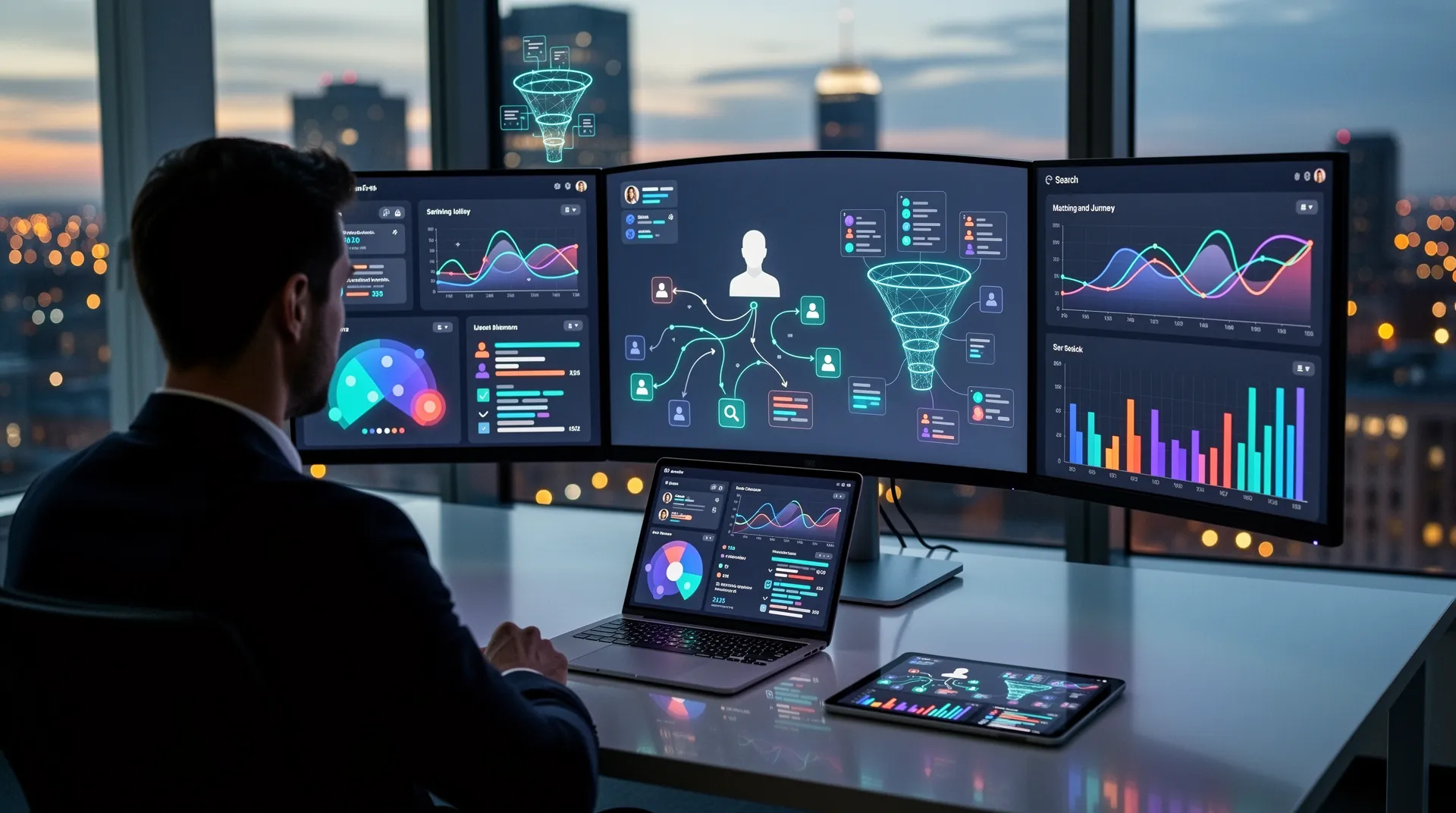
Matching content to search intent has always been important, but in 2026, it’s the single most critical component of a successful keyword strategy. Search engines have become remarkably adept at distinguishing between informational, navigational, transactional, and commercial investigation queries — and they serve different content formats accordingly.
Simply ranking for a high-volume keyword is no longer enough if the content format doesn’t align with what users expect when they make that search. For example, a query with transactional intent should lead to a product or service page, while an informational query demands a thorough, educational article. Mismatching content type to intent is one of the fastest ways to lose rankings in 2026.
Technical SEO: Core Web Vitals and Page Experience
Technical SEO remains a critical foundation, with Core Web Vitals continuing to serve as measurable signals of page experience. Google’s focus on Largest Contentful Paint (LCP), Interaction to Next Paint (INP), and Cumulative Layout Shift (CLS) means that slow or visually unstable pages are actively penalized in rankings.
Mobile-first indexing is now the standard rather than the exception, and websites that fail to deliver a seamless mobile experience face significant ranking disadvantages. Additionally, site architecture — including crawl efficiency, URL structure, and canonical tag management — continues to have a direct impact on how effectively search engines discover and index content.
- Regularly audit Core Web Vitals using Google Search Console and Lighthouse.
- Compress images, leverage browser caching, and minimize render-blocking resources.
- Ensure your website’s structure supports efficient crawling and logical internal linking.
Video and Visual Search Are Growing SEO Channels
Text-based content no longer monopolizes search results. In 2026, video content and visual search have emerged as powerful SEO channels in their own right. Google’s integration of video snippets, image packs, and visual answers into SERPs has made multimedia optimization a necessity for comprehensive SEO strategies.
YouTube remains the second-largest search engine in the world, and optimizing video titles, descriptions, chapters, and transcripts with relevant keywords drives substantial traffic. Meanwhile, tools like Google Lens have made image search a viable discovery channel, particularly in e-commerce and retail, where shoppers can search using photos rather than words.
- Add structured transcripts and captions to video content to improve indexability.
- Use descriptive alt text and high-quality images with relevant file names for image SEO.
- Create video content that directly answers common questions in your niche.
Link Building Evolves Toward Authority and Relevance
Link building in 2026 is less about raw link volume and more about the quality, relevance, and authority of the domains linking to you. Google’s algorithms have grown increasingly sophisticated at detecting manipulative link schemes, making genuine digital PR, thought leadership, and content partnerships the most reliable link acquisition strategies.
Earning links through original research, data-driven content, expert commentary, and genuinely useful free tools remains highly effective. Building relationships with journalists, industry publications, and niche communities produces authoritative backlinks that meaningfully boost rankings over time.
What SEO Success Looks Like in 2026
The common thread running through every major SEO trend in 2026 is a relentless focus on the user. Search engines are rewarding websites that prioritize real value — fast-loading pages, authoritative and accurate content, seamless experiences across devices, and genuine expertise. Tactics designed purely to game algorithms are increasingly ineffective and can even trigger penalties.
The most successful SEO strategies in 2026 combine technical excellence, high-quality content crafted by real experts, smart use of AI tools to scale and optimize, and a deep understanding of what users actually want when they type or speak a query. Organizations that embrace this user-first philosophy are the ones that will dominate organic search results in the year ahead.
No comments yet — be the first