
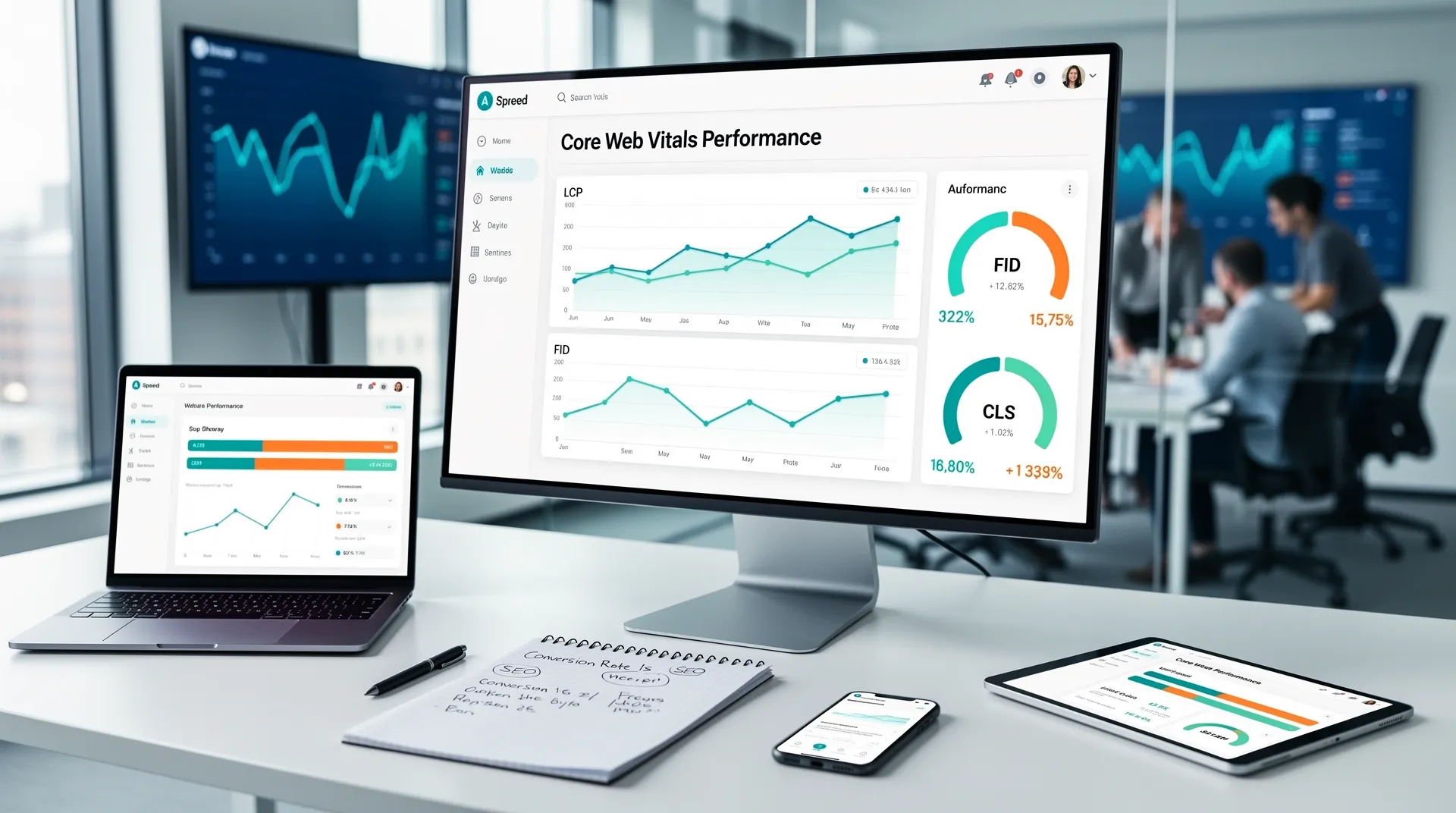
Understanding Core Web Vitals in Today’s Digital Landscape
Core Web Vitals have emerged as fundamental pillars of website performance optimization, representing Google’s initiative to quantify user experience through measurable metrics. These performance indicators have transformed how webmasters approach site optimization, moving beyond traditional SEO tactics to focus on genuine user satisfaction.
The significance of Core Web Vitals extends far beyond simple ranking factors. They serve as comprehensive benchmarks that evaluate how users perceive and interact with web pages, directly impacting conversion rates, user engagement, and overall business success.
The Three Pillars of Core Web Vitals
Largest Contentful Paint (LCP) – Loading Performance
Largest Contentful Paint measures the time required for the largest visible content element to render on screen. This metric focuses on perceived loading speed rather than technical completion time, making it more aligned with user expectations.
- Optimal LCP should occur within 2.5 seconds of page load initiation
- Common largest content elements include hero images, video thumbnails, and text blocks
- Factors affecting LCP include server response times, resource loading speeds, and client-side rendering
First Input Delay (FID) – Interactivity Assessment
First Input Delay evaluates the responsiveness of a webpage by measuring the delay between a user’s first interaction and the browser’s response. This metric captures the frustration users experience when clicking buttons or links that don’t respond immediately.
- Excellent FID scores fall below 100 milliseconds
- JavaScript execution often causes delays in input processing
- Mobile devices typically experience higher FID due to processing limitations
Cumulative Layout Shift (CLS) – Visual Stability
Cumulative Layout Shift quantifies unexpected layout movements that occur during page loading. These shifts can cause users to accidentally click wrong elements or lose their reading position, significantly degrading user experience.
- Good CLS scores remain below 0.1
- Common causes include images without dimensions, dynamic content insertion, and web fonts
- Visual stability directly correlates with user trust and engagement
Optimization Strategies for Core Web Vitals
Enhancing Loading Performance
Improving LCP requires a multi-faceted approach focusing on resource optimization and delivery acceleration. Implementing efficient caching strategies, optimizing images through modern formats like WebP, and utilizing content delivery networks can significantly reduce loading times.
Server-side optimizations play a crucial role in LCP improvement. Upgrading hosting infrastructure, implementing server-side caching, and optimizing database queries contribute to faster content delivery. Additionally, prioritizing critical resource loading ensures that essential elements render before secondary content.
Boosting Interactivity Metrics
Reducing First Input Delay involves minimizing JavaScript execution time during the main thread. Techniques such as code splitting, lazy loading non-critical scripts, and utilizing web workers can free up the main thread for user interaction processing.
Progressive enhancement strategies ensure that basic functionality remains available even while JavaScript loads. This approach prevents users from encountering unresponsive interfaces during the initial loading phase.
Maintaining Visual Stability
Preventing layout shifts requires proactive planning during the design and development phases. Reserving space for dynamic content, specifying image dimensions, and using CSS containment properties help maintain consistent layouts.
Font loading optimization through font-display properties and preloading critical fonts prevents text rendering shifts. Similarly, avoiding insertion of content above existing elements maintains visual consistency throughout the loading process.
Measurement and Monitoring Tools
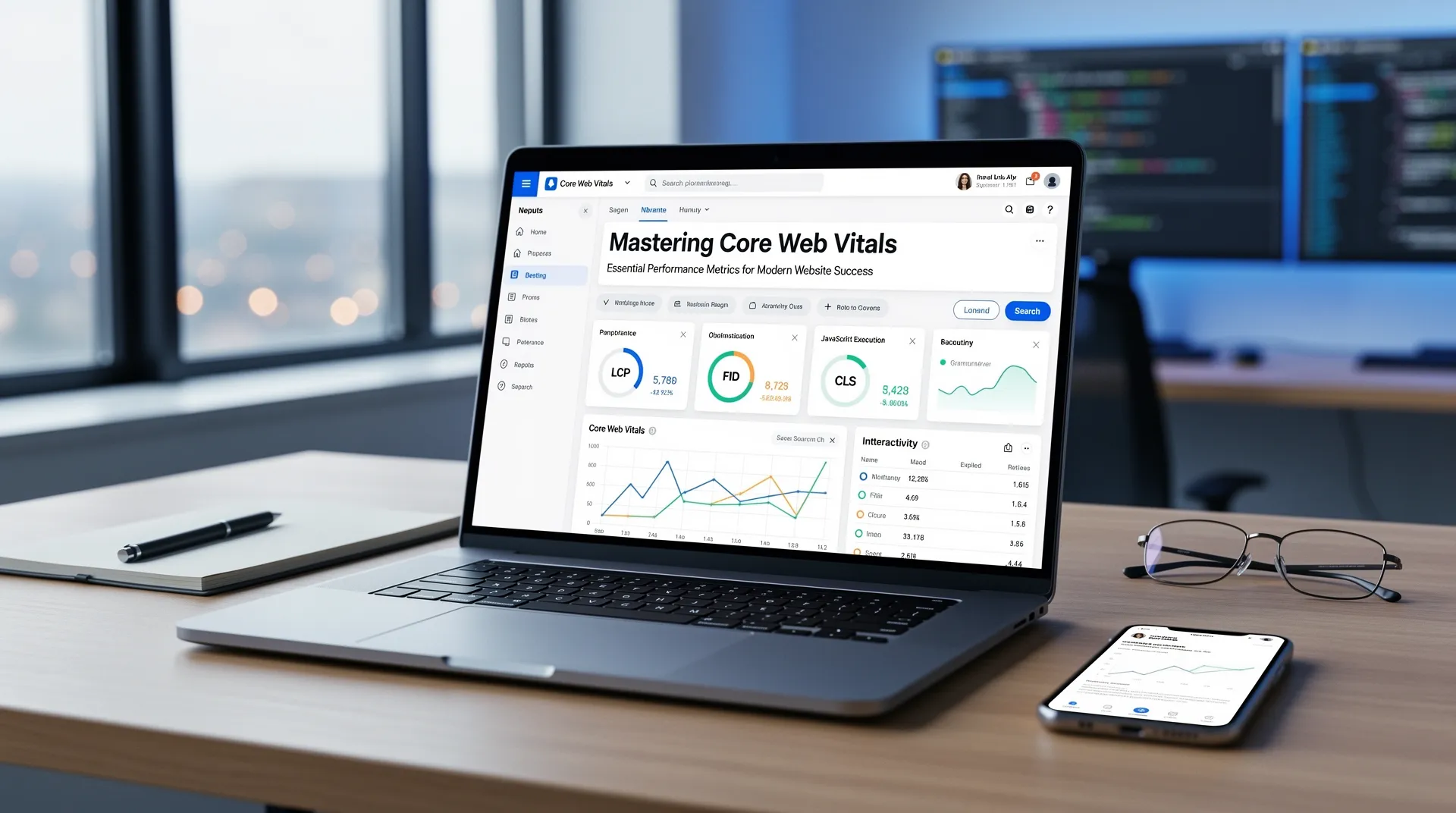
Google provides several tools for Core Web Vitals assessment, each serving different purposes in the optimization workflow. PageSpeed Insights offers comprehensive analysis with specific improvement recommendations, while Google Search Console provides real-world user experience data.
Chrome DevTools enables detailed performance profiling, allowing developers to identify specific bottlenecks and optimization opportunities. Third-party tools like GTmetrix and WebPageTest provide additional insights and comparative analysis capabilities.
Mobile-First Considerations
Mobile devices present unique challenges for Core Web Vitals optimization due to processing limitations, network constraints, and smaller screen sizes. Implementing responsive design principles while maintaining performance requires careful balance between functionality and speed.
Accelerated Mobile Pages (AMP) and Progressive Web App (PWA) technologies offer frameworks specifically designed for mobile performance optimization. These approaches prioritize critical content delivery while maintaining rich user experiences.
Future Implications and Continuous Improvement
Core Web Vitals continue evolving as web technologies advance and user expectations change. Staying current with updates to these metrics and their measurement methodologies ensures sustained optimization effectiveness.
Regular performance auditing and user experience monitoring create feedback loops that drive continuous improvement. Establishing performance budgets and automated monitoring helps maintain optimal Core Web Vitals scores as websites grow and change.
The integration of Core Web Vitals into broader digital marketing strategies amplifies their impact beyond search rankings, contributing to improved conversion rates, reduced bounce rates, and enhanced user satisfaction across all traffic sources.

No comments yet — be the first