
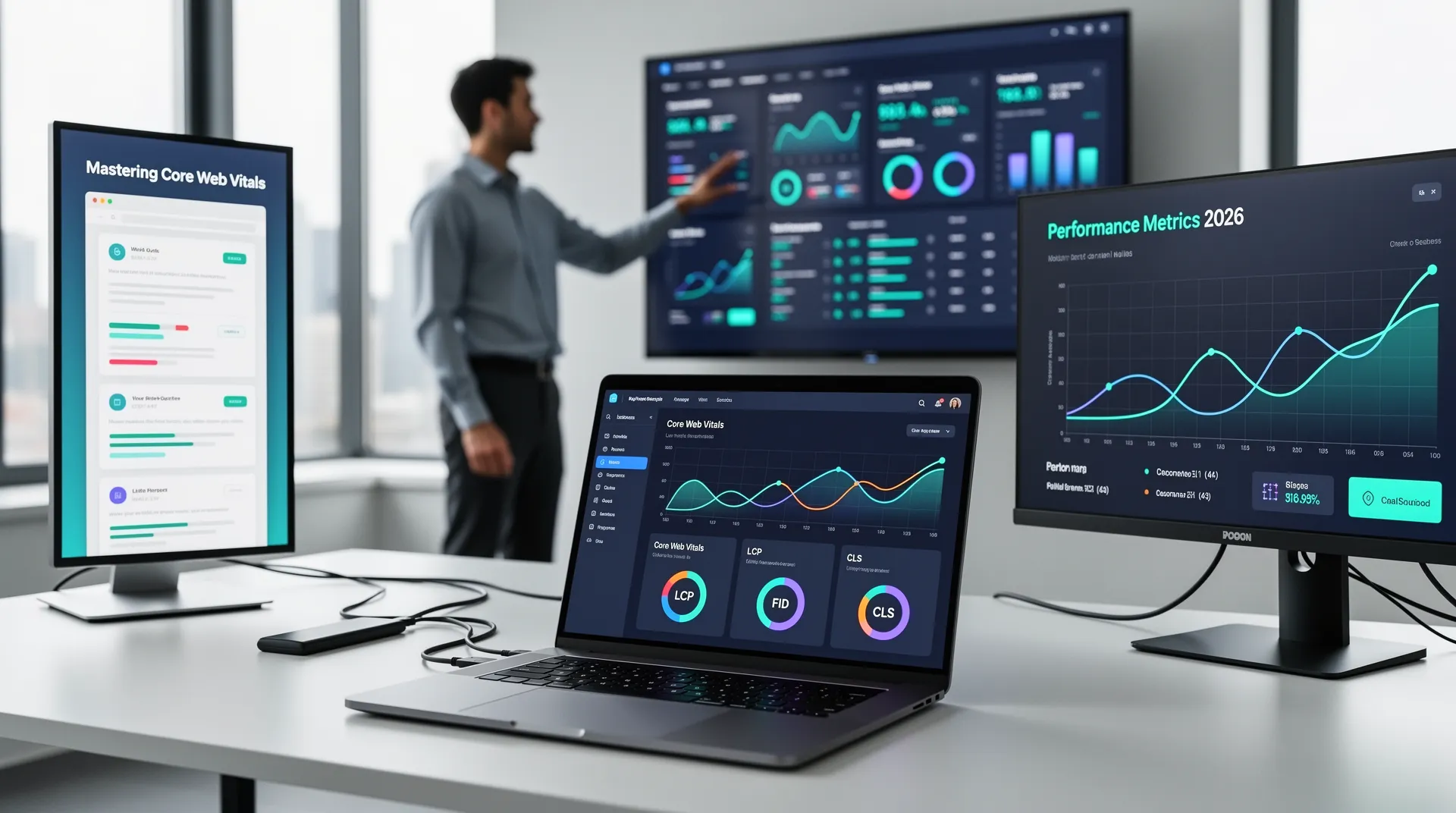
Understanding Core Web Vitals and Their Impact on Website Success
Core Web Vitals have become the cornerstone of web performance optimization, representing Google’s commitment to delivering exceptional user experiences across the internet. These critical metrics focus on three fundamental aspects of website performance: loading speed, interactivity, and visual stability. As we navigate through 2026, understanding and optimizing these metrics has become essential for any website looking to maintain competitive search rankings and user satisfaction.
The significance of Core Web Vitals extends beyond simple technical measurements. They directly correlate with user behavior patterns, affecting everything from bounce rates to conversion metrics. Websites that excel in these areas consistently demonstrate higher engagement rates and improved business outcomes.
The Three Pillars of Core Web Vitals Performance
Largest Contentful Paint (LCP): Optimizing Loading Performance
Largest Contentful Paint measures the time it takes for the largest visible content element to render on screen. This metric provides insight into when users perceive your page as fully loaded and ready for interaction. For optimal performance in 2026, websites should target an LCP of 2.5 seconds or less.
Achieving excellent LCP scores requires strategic optimization across multiple areas. Image optimization remains crucial, with modern formats like WebP and AVIF offering significant advantages over traditional formats. Content delivery networks (CDNs) have evolved to provide more intelligent caching and distribution, while server response times continue to be a critical factor in overall loading performance.
First Input Delay (FID): Measuring Interactivity Response
First Input Delay quantifies the time between a user’s first interaction with your page and the browser’s response to that interaction. This metric captures the real-world experience of users attempting to engage with your website during the initial loading phase. The recommended FID threshold is 100 milliseconds or less for optimal user experience.
JavaScript optimization plays a pivotal role in FID performance. Modern development practices emphasize code splitting, lazy loading of non-critical scripts, and efficient event handling. The rise of framework-specific optimizations has made it easier for developers to achieve excellent FID scores without sacrificing functionality.
Cumulative Layout Shift (CLS): Ensuring Visual Stability
Cumulative Layout Shift measures the visual stability of your webpage by quantifying unexpected layout changes that occur during the page loading process. A good CLS score is 0.1 or less, ensuring users don’t experience frustrating content jumps while trying to interact with your site.
Preventing layout shifts requires careful attention to element sizing and positioning. Reserving space for images, ads, and dynamic content before they load has become standard practice. CSS containment properties and aspect ratio declarations provide developers with powerful tools to maintain visual stability throughout the loading process.
Advanced Optimization Strategies for 2026
Performance Monitoring and Real User Metrics
Modern performance optimization relies heavily on comprehensive monitoring systems that track Core Web Vitals across diverse user conditions. Real User Monitoring (RUM) tools provide invaluable insights into how actual users experience your website across different devices, network conditions, and geographic locations.
Advanced analytics platforms now offer granular breakdowns of performance metrics, enabling developers to identify specific bottlenecks and optimization opportunities. Machine learning algorithms help predict performance issues before they impact user experience, allowing for proactive optimization strategies.
Technical Implementation Best Practices
Server-side rendering (SSR) and static site generation (SSG) have gained prominence as effective methods for improving Core Web Vitals scores. These approaches reduce client-side processing requirements while delivering faster initial page loads and improved perceived performance.
Progressive enhancement strategies ensure that critical content loads quickly while additional features enhance the experience for users with better connections and more powerful devices. This approach aligns perfectly with Core Web Vitals optimization goals.
Tools and Resources for Core Web Vitals Optimization
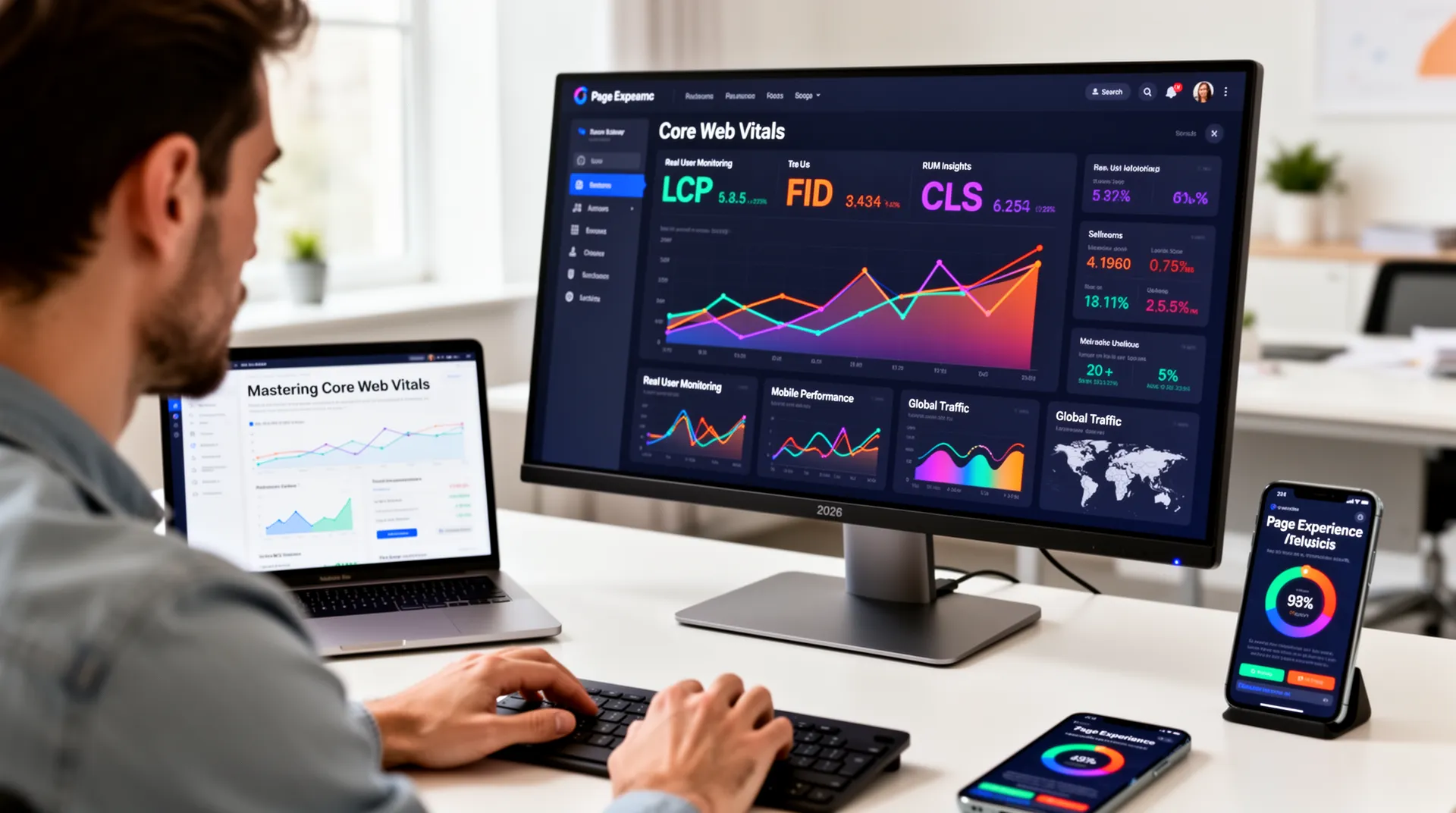
Google’s suite of performance tools continues to evolve, with PageSpeed Insights, Lighthouse, and Search Console providing comprehensive analysis and actionable recommendations. Third-party tools offer additional perspectives and specialized optimization suggestions tailored to specific platforms and frameworks.
Web development frameworks have integrated Core Web Vitals optimization features directly into their build processes. Automated optimization features help developers achieve better scores without extensive manual configuration, making performance optimization more accessible to teams of all sizes.
The Business Impact of Core Web Vitals Excellence
Organizations that prioritize Core Web Vitals optimization consistently report improved key performance indicators across multiple business metrics. Search engine visibility benefits directly from better Core Web Vitals scores, as Google continues to emphasize page experience signals in ranking algorithms.
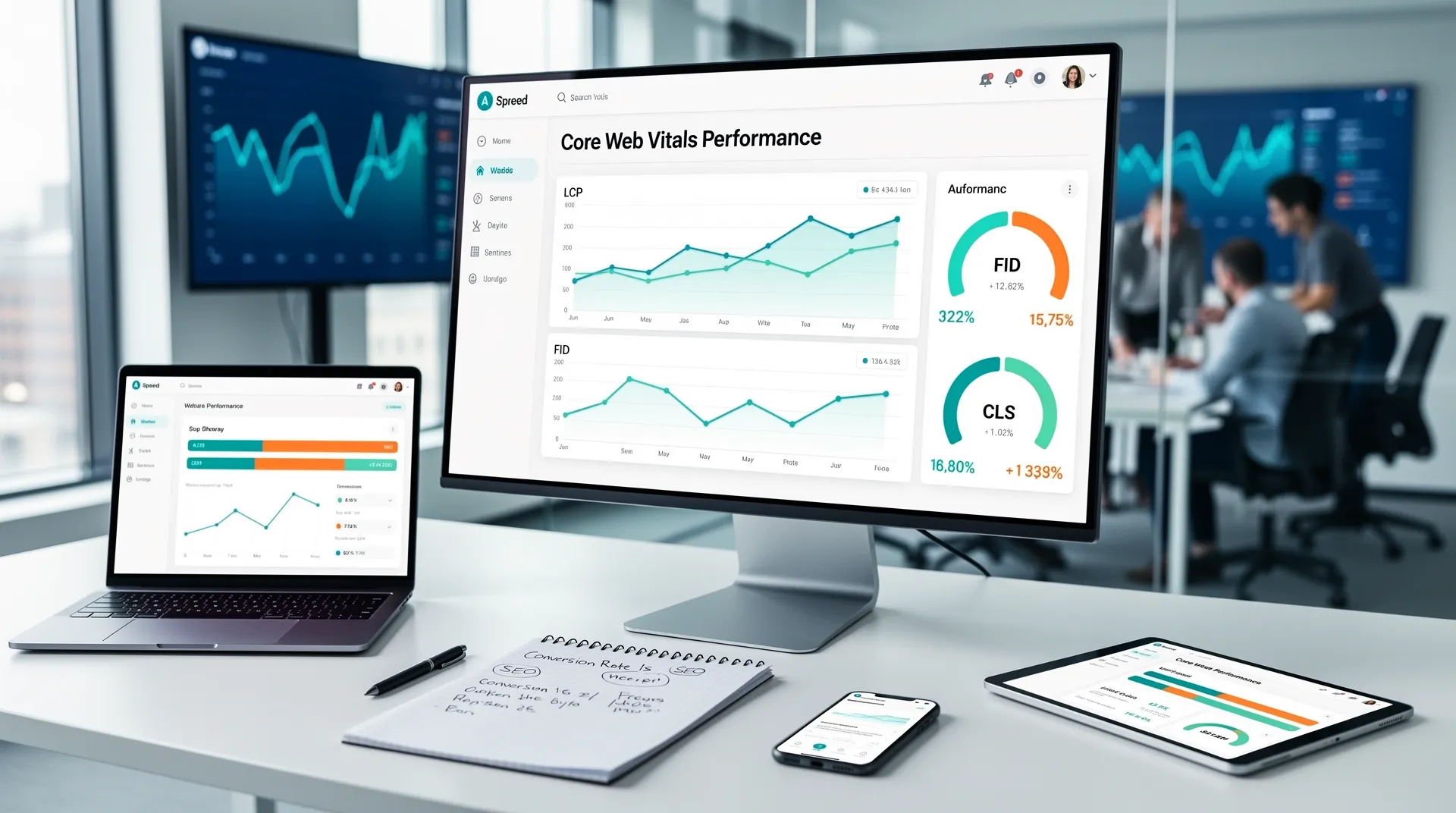
User engagement metrics show strong correlations with Core Web Vitals performance. Faster loading times, responsive interactions, and stable layouts contribute to higher conversion rates, longer session durations, and improved customer satisfaction scores.
Future-Proofing Your Core Web Vitals Strategy
As web technologies continue evolving, Core Web Vitals optimization strategies must adapt to new challenges and opportunities. Emerging technologies like edge computing and advanced caching mechanisms offer new possibilities for performance improvements.
Building a sustainable optimization process requires ongoing monitoring, regular performance audits, and continuous improvement initiatives. Teams that establish robust performance cultures and integrate optimization into their development workflows achieve the most consistent and lasting results.
Mastering Core Web Vitals in 2026 demands a comprehensive approach that combines technical expertise, strategic planning, and continuous optimization efforts. By focusing on these critical metrics, websites can deliver exceptional user experiences while maintaining competitive advantages in search rankings and business performance.

No comments yet — be the first