
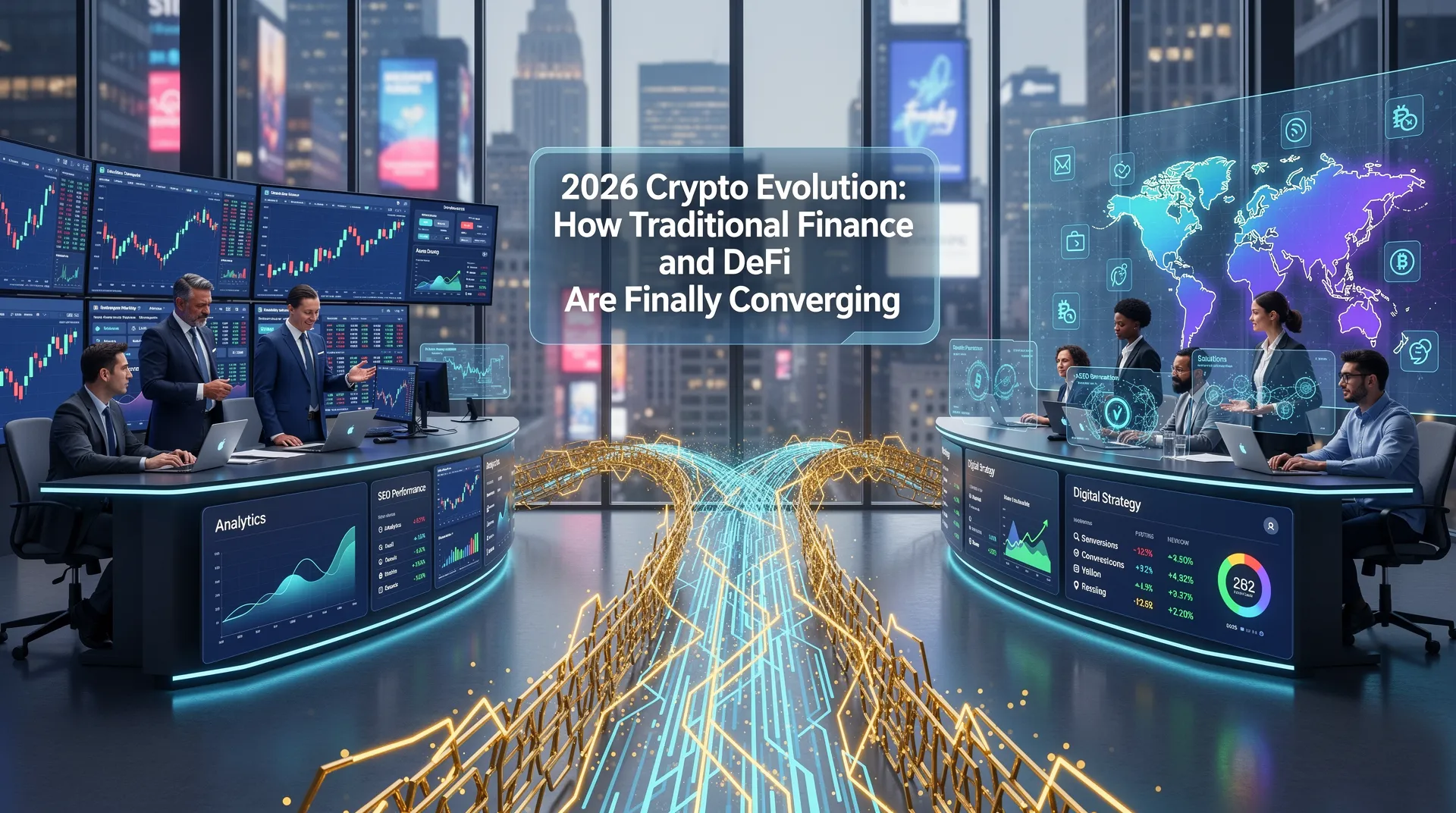
The Financial Revolution Accelerates
As we approach 2026, the financial landscape is witnessing an unprecedented transformation. The once-distinct boundaries between traditional financial institutions (TradFi) and decentralized finance (DeFi) protocols are rapidly dissolving, creating new opportunities for innovation and mainstream adoption of blockchain technology.
Institutional Embrace of Digital Assets
Major financial institutions are no longer treating cryptocurrency as a speculative novelty. Instead, they’re actively developing comprehensive digital asset strategies that integrate blockchain technology into their core operations. Banks are launching custody services, investment products, and even proprietary tokens to serve their evolving client base.
This institutional adoption is driving significant infrastructure improvements across the blockchain ecosystem. Enhanced security protocols, regulatory compliance frameworks, and user-friendly interfaces are making it easier for traditional investors to participate in the crypto economy.
Regulatory Clarity Paves the Way Forward
One of the most significant developments anticipated for 2026 is the establishment of clearer regulatory frameworks worldwide. Government agencies are working to create balanced approaches that foster innovation while protecting consumers and maintaining financial stability.
The European Union’s Markets in Crypto-Assets (MiCA) regulation and similar initiatives in other jurisdictions are providing the legal certainty that institutional players need to fully commit to blockchain integration. This regulatory maturity is essential for bridging the gap between traditional and decentralized finance.
Interoperability Solutions Drive Integration
Technical barriers that previously separated TradFi and DeFi are being systematically addressed through innovative interoperability solutions. Cross-chain protocols and blockchain bridges are enabling seamless asset transfers and communication between different networks.
- Layer 2 scaling solutions reducing transaction costs and improving speed
- Advanced smart contract platforms enabling complex financial instruments
- Decentralized identity solutions streamlining KYC/AML compliance
- Automated market makers creating more efficient price discovery
Central Bank Digital Currencies (CBDCs) as Catalysts
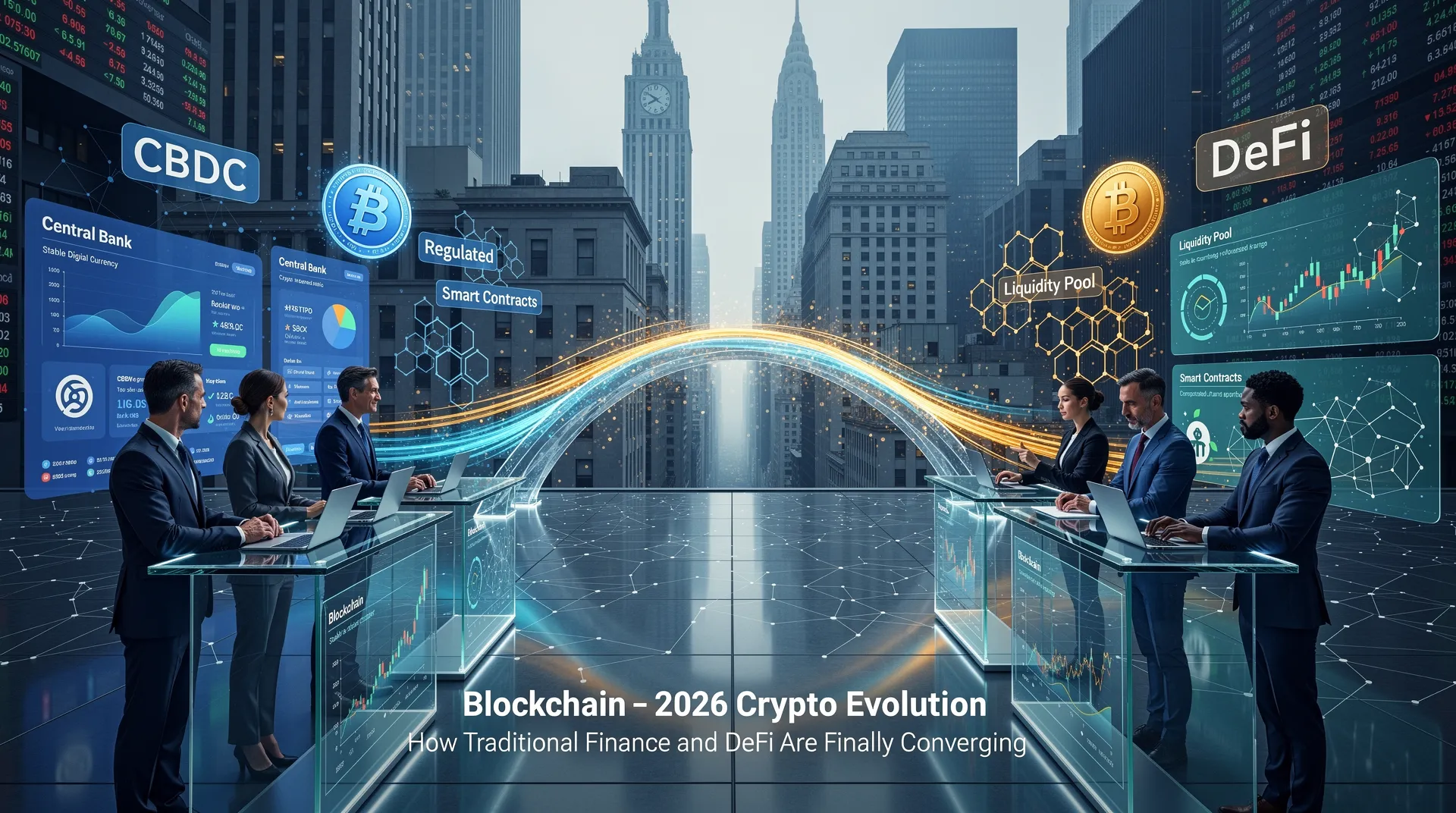
The development and deployment of CBDCs by major economies are serving as powerful catalysts for TradFi-DeFi convergence. These digital versions of national currencies provide familiar entry points for traditional institutions to engage with blockchain technology.
CBDCs offer the stability and regulatory backing that traditional financial institutions require while leveraging the efficiency and transparency benefits of distributed ledger technology. This combination is creating natural bridges between conventional banking systems and decentralized protocols.
Enhanced User Experience and Accessibility
The user experience gap between traditional financial services and DeFi platforms is narrowing significantly. New wallet technologies, simplified interfaces, and integrated banking solutions are making blockchain-based financial services more accessible to mainstream users.
Financial institutions are developing hybrid products that combine the security and familiarity of traditional banking with the innovation and efficiency of DeFi protocols. This approach allows users to benefit from both worlds without sacrificing convenience or security.
Risk Management and Security Improvements
Advanced risk management tools and enhanced security measures are addressing the concerns that have historically kept traditional institutions away from DeFi. Smart contract auditing, insurance protocols, and institutional-grade custody solutions are building confidence in decentralized systems.
The integration of traditional risk assessment methodologies with blockchain analytics is creating more sophisticated approaches to managing exposure in both centralized and decentralized environments.
Tokenization of Traditional Assets
Real-world asset tokenization is emerging as a critical bridge between TradFi and DeFi. Traditional assets like real estate, commodities, and securities are being represented as blockchain tokens, making them more accessible and liquid.
This tokenization trend is enabling traditional investors to access DeFi yield opportunities while allowing DeFi users to gain exposure to conventional asset classes. The result is a more integrated and efficient global financial system.
Looking Ahead: The Unified Financial Ecosystem
By 2026, we expect to see the emergence of a truly unified financial ecosystem where the distinction between traditional and decentralized finance becomes increasingly irrelevant. Users will seamlessly move between different types of financial services based on their specific needs rather than technological limitations.
This convergence represents more than just technological progress—it signifies a fundamental shift toward a more open, efficient, and inclusive global financial system. The barriers that once separated these two worlds are becoming bridges that strengthen the entire ecosystem.



No comments yet — be the first