
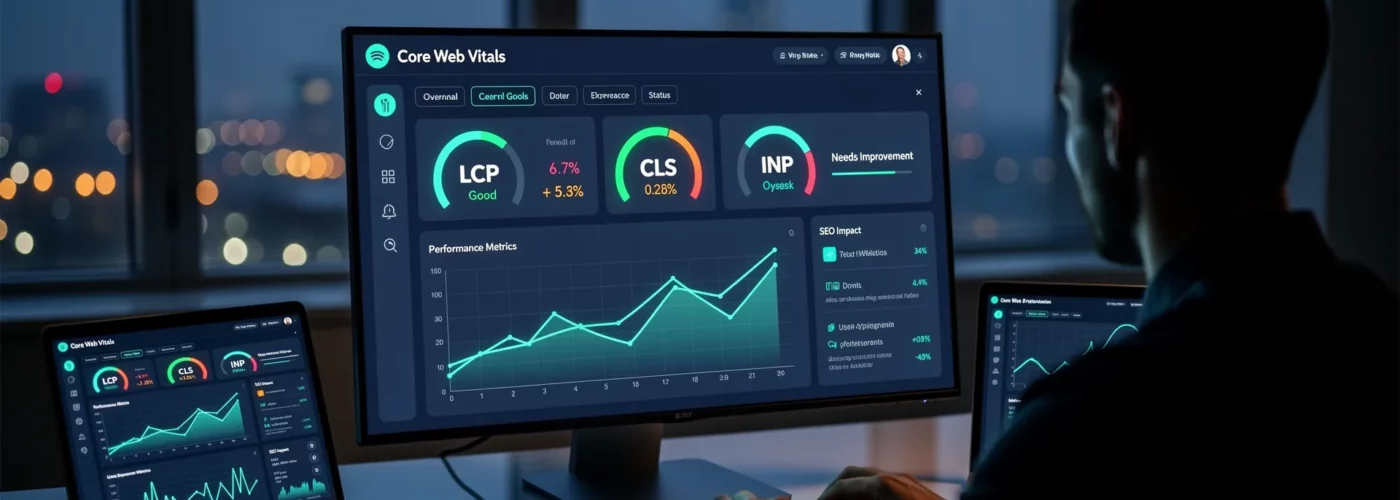
Understanding Core Web Vitals in 2026
Core Web Vitals have become the cornerstone of website performance measurement and user experience optimization in 2026. These crucial metrics, developed by Google, provide website owners and developers with concrete data points to evaluate and enhance their site’s performance. The significance of these vitals extends beyond mere technical specifications—they directly impact user satisfaction, search engine rankings, and business outcomes.
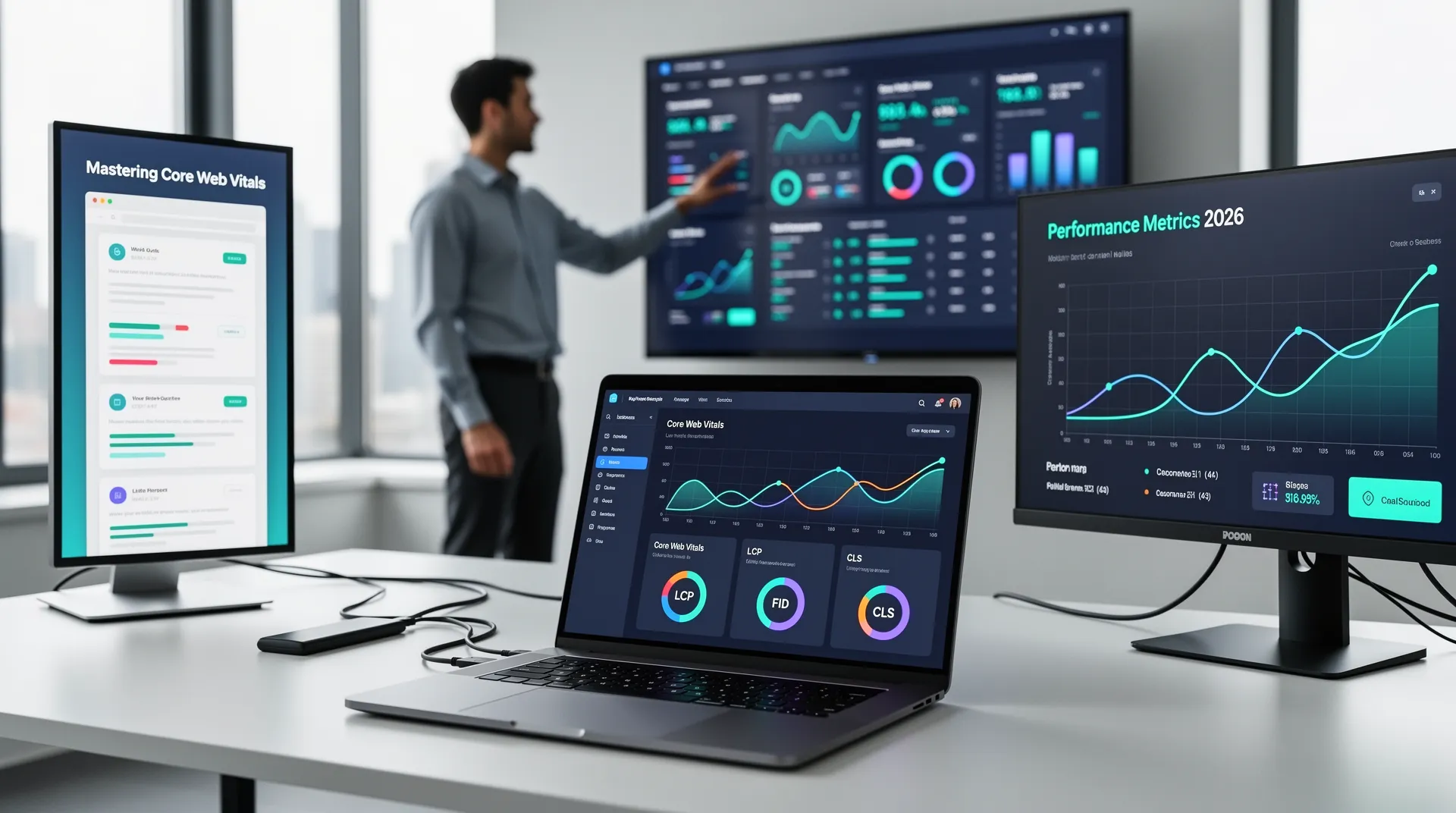
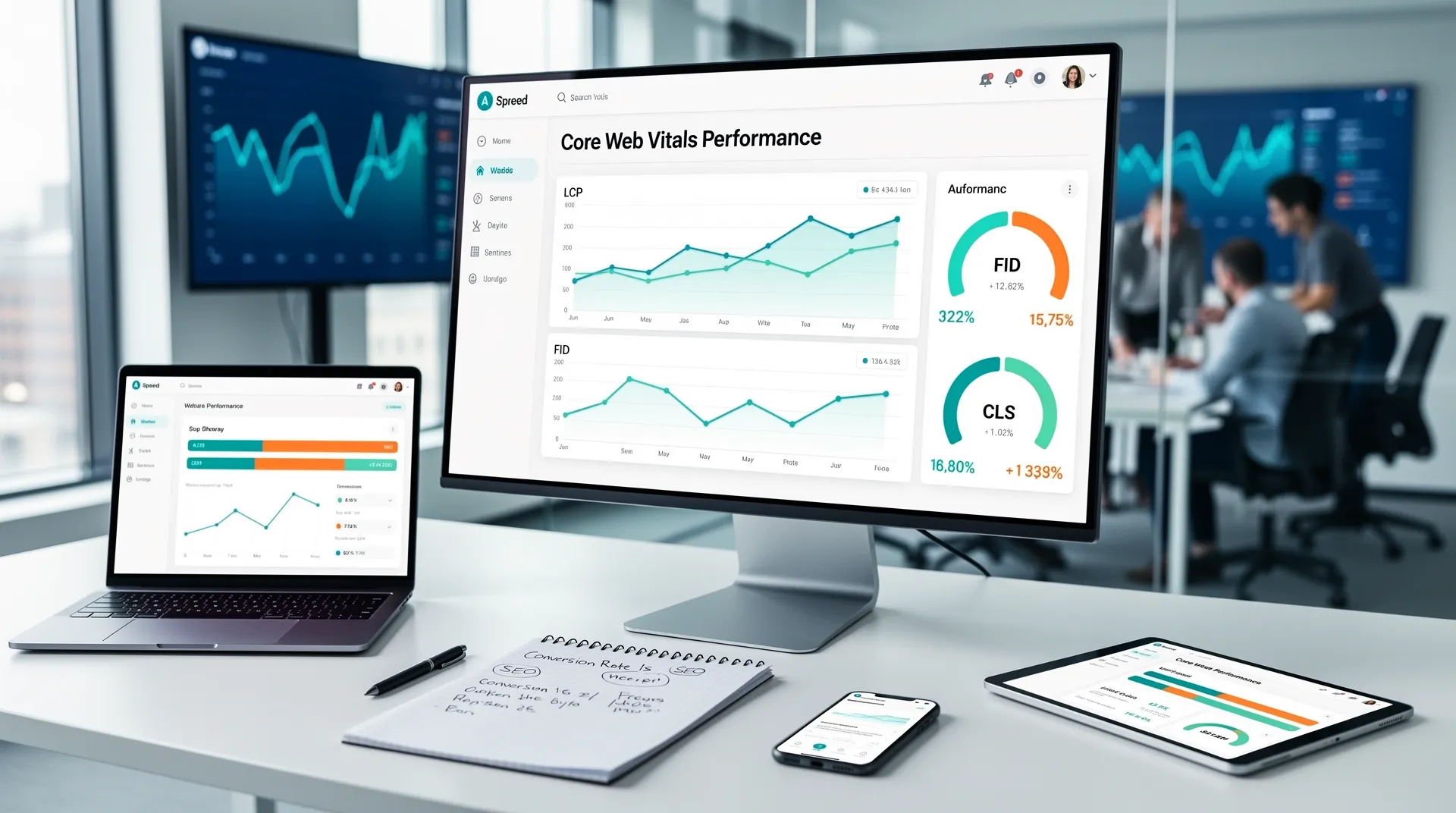
The three primary Core Web Vitals continue to serve as the foundation for performance assessment: Largest Contentful Paint (LCP), First Input Delay (FID), and Cumulative Layout Shift (CLS). Each metric addresses a specific aspect of user experience, from loading performance to interactivity and visual stability.
The Three Pillars of Core Web Vitals
Largest Contentful Paint (LCP): Loading Excellence
Largest Contentful Paint measures the time it takes for the largest visible content element to load on a webpage. In 2026, the benchmark for excellent LCP performance remains under 2.5 seconds. This metric captures the user’s perception of loading speed by focusing on the most significant visual element rather than technical loading completion.
Common elements measured by LCP include:
- Hero images and banner graphics
- Video thumbnails and embedded media
- Large text blocks and headings
- Background images with substantial coverage
Optimizing LCP requires strategic approaches to resource loading, image optimization, and server response times. Modern techniques include implementing advanced lazy loading, utilizing next-generation image formats like WebP and AVIF, and optimizing critical rendering paths.
First Input Delay (FID): Responsiveness Refined
First Input Delay evaluates the time between a user’s first interaction with a page and the browser’s response to that interaction. The target threshold for exceptional FID performance is less than 100 milliseconds. This metric is particularly crucial for interactive websites where user engagement depends on immediate feedback.
FID specifically measures delays caused by:
- JavaScript execution blocking the main thread
- Complex DOM manipulations
- Heavy computational tasks
- Inefficient event listeners
In 2026, developers are increasingly adopting Web Workers, code splitting, and progressive loading strategies to minimize main thread blocking and improve FID scores.
Cumulative Layout Shift (CLS): Visual Stability
Cumulative Layout Shift quantifies unexpected layout shifts that occur during page loading. A CLS score below 0.1 is considered excellent. This metric addresses the frustrating experience of content jumping around as additional elements load, potentially causing users to click unintended targets.
Primary causes of poor CLS include:
- Images without defined dimensions
- Dynamically injected content and advertisements
- Web fonts causing text reflow
- Third-party widgets loading asynchronously
Advanced Optimization Techniques for 2026

Performance Monitoring and Measurement
Effective Core Web Vitals optimization begins with comprehensive monitoring. Modern tools provide real-time insights into performance metrics, enabling proactive optimization rather than reactive fixes. Field data from actual users offers the most valuable insights, as it reflects real-world conditions including varying network speeds, device capabilities, and usage patterns.
Key monitoring approaches include:
- Real User Monitoring (RUM) implementation
- Synthetic testing for consistent baseline measurement
- Performance budgets and alerting systems
- Continuous integration performance testing
Technical Implementation Strategies
Successful Core Web Vitals optimization requires a multi-faceted approach addressing various technical aspects. Server-side optimizations play a crucial role, including efficient caching strategies, content delivery network utilization, and database query optimization. These backend improvements directly impact LCP by reducing Time to First Byte (TTFB).
Frontend optimizations focus on resource delivery and rendering efficiency. Critical CSS inlining, JavaScript optimization through minification and compression, and strategic resource prioritization contribute significantly to improved metrics. Progressive enhancement techniques ensure that core functionality remains accessible while advanced features load incrementally.
Industry Impact and Business Benefits
The business implications of Core Web Vitals optimization extend far beyond technical achievements. Research consistently demonstrates strong correlations between improved Core Web Vitals scores and enhanced business metrics including conversion rates, user engagement, and revenue generation.
Companies implementing comprehensive Core Web Vitals optimization strategies in 2026 typically experience:
- Increased organic search visibility and rankings
- Reduced bounce rates and improved user retention
- Enhanced mobile user experience and satisfaction
- Improved accessibility and inclusive design outcomes
Future-Proofing Your Performance Strategy
As web technologies continue evolving, maintaining excellent Core Web Vitals requires ongoing attention and adaptation. Emerging technologies such as advanced compression algorithms, improved browser caching mechanisms, and enhanced content delivery networks provide new optimization opportunities.
Successful organizations approach Core Web Vitals as an integral part of their development workflow rather than a one-time optimization effort. Regular performance audits, continuous monitoring, and proactive optimization ensure sustained excellence in user experience delivery.
The investment in Core Web Vitals optimization represents a commitment to user-centered design and technical excellence. As user expectations continue rising and competition intensifies, websites that prioritize performance metrics position themselves for sustained success in the digital landscape.

No comments yet — be the first