

Introduction to Core Web Vitals in 2026
As we navigate through 2026, Core Web Vitals continue to play a crucial role in determining website performance and search engine rankings. Google’s emphasis on user experience metrics has intensified, making it essential for website owners and developers to stay updated with the latest changes and optimization techniques.
The landscape of web performance measurement has evolved significantly, with new metrics and updated thresholds that reflect modern user expectations and browsing behaviors. Understanding these changes is vital for maintaining competitive search visibility and delivering exceptional user experiences.
What Are Core Web Vitals?
Core Web Vitals represent a set of specific metrics that Google considers essential for measuring real-world user experience on web pages. These metrics focus on three primary aspects of user experience:
- Loading performance – How quickly content appears on screen
- Interactivity – How responsive a page is to user interactions
- Visual stability – How stable the page layout remains during loading
These measurements provide website owners with concrete data about how users actually experience their sites, moving beyond traditional technical metrics to focus on user-centric performance indicators.
Key Changes in Core Web Vitals for 2026
Updated Metric Thresholds
One of the most significant developments in 2026 has been the refinement of performance thresholds. Google has adjusted the benchmark values based on extensive analysis of real user data and evolving web technologies. These updated thresholds reflect higher user expectations and improved web infrastructure capabilities.
The new standards are more stringent in certain areas while becoming more nuanced in others, acknowledging the diverse nature of modern web applications and user contexts.
Enhanced Measurement Accuracy
The measurement methodologies have become more sophisticated, incorporating advanced algorithms that better account for varying network conditions, device capabilities, and user interaction patterns. This results in more accurate and representative performance scores.
Additionally, the field data collection has been expanded to include a broader range of devices and connection types, providing a more comprehensive view of actual user experiences across different scenarios.
New Contextual Considerations
2026 has introduced more contextual awareness into Core Web Vitals assessment. The metrics now consider factors such as page complexity, content type, and user intent when evaluating performance. This means that different types of pages may have slightly different optimization priorities.
The Three Pillars: Current Metrics Breakdown

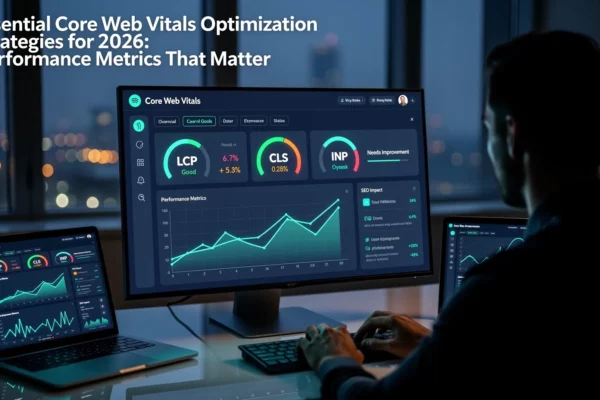
Largest Contentful Paint (LCP)
LCP measures loading performance by tracking when the largest content element becomes visible to users. In 2026, this metric has become more precise in identifying what constitutes the most meaningful content for users.
Current good performance standards require LCP to occur within 2.5 seconds of when the page first starts loading. However, the measurement now includes more sophisticated detection of above-the-fold content and user-relevant elements.
First Input Delay (FID) and Interaction to Next Paint (INP)
The interactivity measurements have evolved to provide better insights into user experience. While FID continues to measure the delay between user interaction and browser response, INP has gained prominence as a more comprehensive metric for ongoing responsiveness.
These metrics now work together to provide a complete picture of how users experience interactive elements throughout their entire visit, not just the initial interaction.
Cumulative Layout Shift (CLS)
CLS measures visual stability by quantifying unexpected layout shifts that occur during page loading. The 2026 updates have refined how layout shifts are calculated, with better recognition of user-initiated changes versus unexpected shifts.
The current threshold maintains that good pages should have a CLS score of less than 0.1, but the calculation methodology has become more nuanced in distinguishing between problematic shifts and acceptable content updates.
Practical Optimization Strategies for 2026
Performance Monitoring and Analysis
Implementing comprehensive monitoring systems has become more critical than ever. Website owners should establish regular auditing processes using both lab data and real user monitoring to track Core Web Vitals performance consistently.
Modern monitoring approaches involve setting up automated alerts for performance degradation and establishing baseline measurements to track improvement over time.
Technical Optimization Techniques
Server-side optimizations remain fundamental, including implementing efficient caching strategies, optimizing database queries, and utilizing content delivery networks effectively. These foundational improvements often provide the most significant performance gains.
Front-end optimizations have also evolved, with new techniques for resource loading, JavaScript execution management, and progressive enhancement strategies that prioritize critical user interactions.
Content and Media Optimization
Image and media optimization continues to be crucial for LCP improvements. Modern approaches include implementing next-generation image formats, responsive image techniques, and intelligent lazy loading strategies that balance performance with user experience.
Video content optimization has become particularly important, with new compression techniques and streaming strategies that minimize impact on Core Web Vitals scores.
Tools and Resources for 2026
The toolkit for measuring and optimizing Core Web Vitals has expanded significantly. Google’s suite of tools, including PageSpeed Insights, Search Console, and Chrome DevTools, have received substantial updates to reflect the current metrics and provide more actionable insights.
Third-party monitoring solutions have also evolved, offering real-time alerts, detailed performance breakdowns, and automated optimization suggestions that help website owners maintain optimal performance consistently.
Future Considerations and Best Practices
Looking ahead within 2026 and beyond, the emphasis on user experience metrics will likely continue growing. Website owners should focus on building performance considerations into their development processes from the beginning rather than treating optimization as an afterthought.
Establishing performance budgets, implementing continuous monitoring, and maintaining a user-first approach to web development will be essential for long-term success in meeting Core Web Vitals requirements.
The integration of artificial intelligence and machine learning into performance optimization is also emerging as a significant trend, with automated tools beginning to provide intelligent optimization recommendations based on user behavior patterns and site-specific characteristics.
No comments yet — be the first