
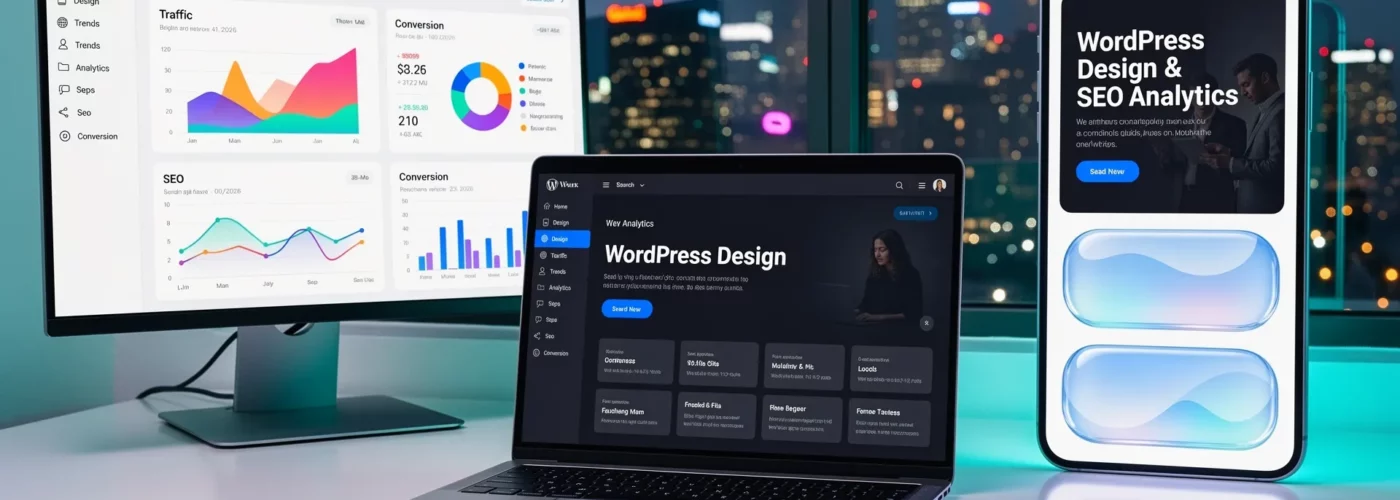
Introduction to WordPress Design Evolution in 2026
WordPress continues to evolve as the world’s most popular content management system, powering over 40% of all websites globally. As we navigate through 2026, the landscape of WordPress design has undergone significant transformations, driven by user experience demands, technological advancements, and changing digital behaviors. Understanding these emerging trends is crucial for developers, designers, and business owners who want to stay competitive in the digital marketplace.
The current year has brought forth innovative approaches to web design that prioritize accessibility, performance, and visual appeal. These trends reflect not just aesthetic preferences but also functional requirements that modern users expect from their online experiences.
Minimalist Design Philosophy Takes Center Stage
Clean, uncluttered layouts have become the cornerstone of modern WordPress design in 2026. This minimalist approach focuses on essential elements while eliminating unnecessary distractions that can overwhelm visitors. Designers are embracing generous white space, simplified navigation structures, and purposeful content placement to create more engaging user experiences.
The benefits of minimalist design extend beyond aesthetics. Websites with cleaner layouts typically load faster, perform better on mobile devices, and provide clearer user journeys. This trend aligns perfectly with Google’s emphasis on Core Web Vitals and user experience metrics that directly impact search rankings.
Key Elements of Minimalist WordPress Design
- Strategic use of negative space to improve readability
- Limited color palettes focusing on brand consistency
- Streamlined navigation menus with clear hierarchy
- Typography as a primary design element
- Purposeful imagery that supports content goals
Dark Mode Integration and Theme Flexibility
Dark mode has transitioned from a novelty feature to an expected standard in 2026. WordPress themes are increasingly offering automatic dark mode detection and seamless switching capabilities. This trend addresses both user preference and practical concerns about screen time and battery conservation on mobile devices.
Modern WordPress sites are implementing sophisticated theme switching that remembers user preferences across sessions and automatically adjusts based on system settings. The challenge for designers lies in creating color schemes that work effectively in both light and dark environments while maintaining brand consistency and accessibility standards.
Advanced Block Editor Customization
The Gutenberg block editor has matured significantly, and 2026 sees widespread adoption of custom block development. Designers and developers are creating highly specialized blocks that go beyond basic content elements, incorporating interactive features, dynamic data display, and complex layout structures.
This evolution has democratized complex design implementations, allowing content creators to build sophisticated layouts without extensive technical knowledge. Custom block libraries are becoming essential tools for agencies and freelancers who want to offer unique design solutions while maintaining efficient workflows.
Popular Custom Block Categories
- Interactive testimonial carousels with social proof elements
- Dynamic pricing tables with comparison features
- Advanced gallery blocks with filtering and lightbox functionality
- Call-to-action blocks with conversion tracking
- Social media integration blocks with real-time feeds
Performance-First Design Approaches
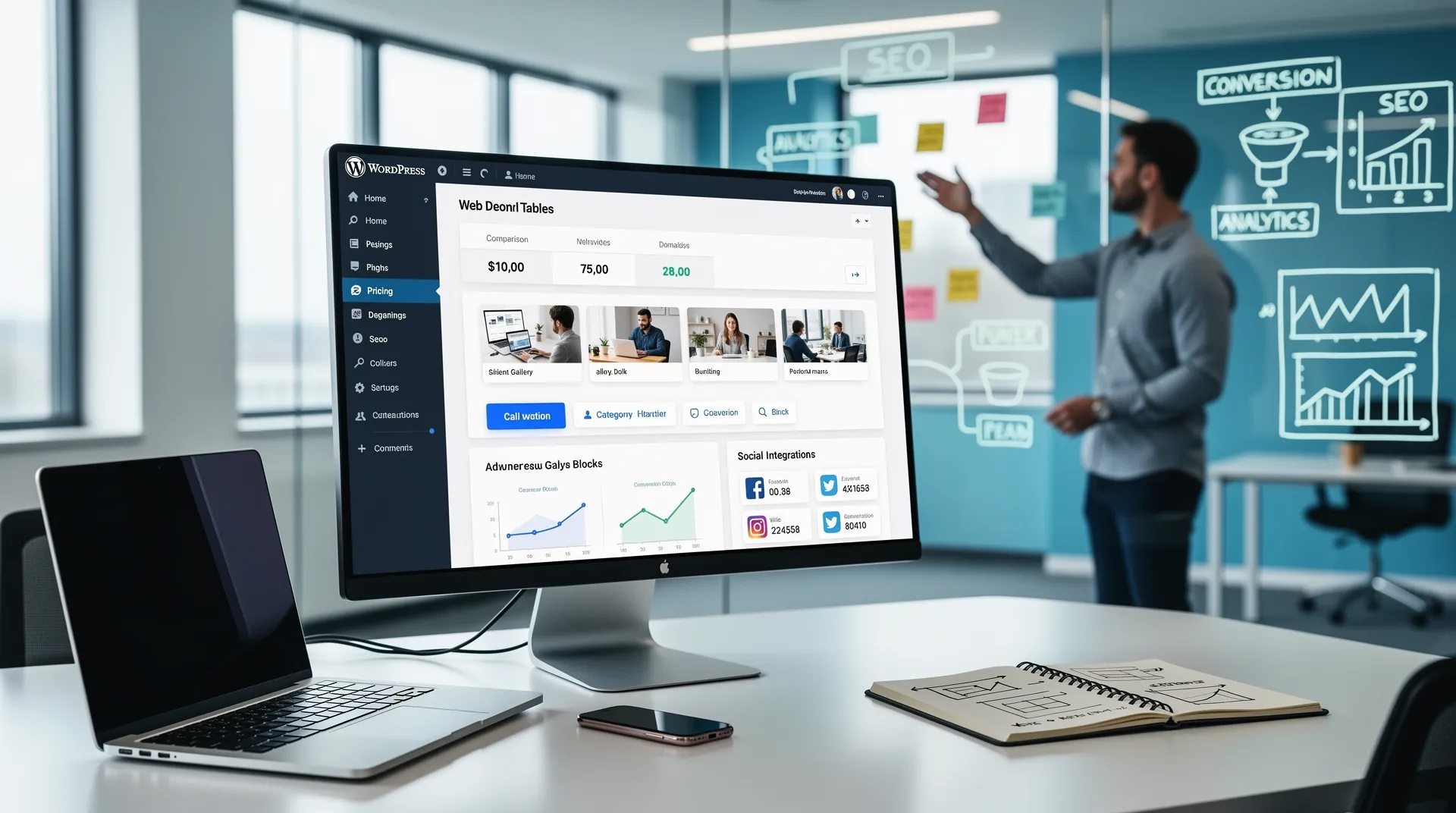
Site speed has become non-negotiable in 2026, with users expecting lightning-fast loading times across all devices. WordPress designers are adopting performance-first methodologies that consider loading speeds from the initial design phase rather than as an afterthought.
This approach involves careful consideration of image optimization, font loading strategies, and resource management. Designers are increasingly using tools like lazy loading, critical CSS inlining, and progressive web app features to enhance performance without compromising visual appeal.
Accessibility-Driven Design Standards
Inclusive design has moved from compliance requirement to fundamental design principle in 2026. WordPress themes and plugins are being developed with accessibility as a core feature, ensuring that websites serve users with diverse abilities and needs.
This trend encompasses keyboard navigation optimization, screen reader compatibility, color contrast compliance, and semantic HTML structure. The focus on accessibility has also improved overall user experience for all visitors, not just those with specific needs.
Essential Accessibility Features
- WCAG 2.1 AA compliance as minimum standard
- Keyboard navigation for all interactive elements
- Alternative text for all images and media
- Proper heading structure and semantic markup
- High contrast ratios and readable typography
Micro-Interactions and Subtle Animations
While flashy animations are falling out of favor, subtle micro-interactions are gaining prominence in WordPress design. These small animations provide feedback, guide user attention, and enhance the overall feeling of responsiveness and interactivity.
The key to successful micro-interactions in 2026 is restraint and purpose. Every animation should serve a specific function, whether it’s confirming user actions, providing visual feedback, or guiding attention to important elements.
Mobile-First Responsive Design Evolution
Although responsive design isn’t new, the approach has evolved significantly in 2026. Designers are now creating truly mobile-first experiences that don’t just adapt to smaller screens but are optimized specifically for mobile user behaviors and expectations.
This includes thumb-friendly navigation, swipe gestures, voice search optimization, and touch-optimized interface elements. The focus has shifted from simply making desktop designs work on mobile to creating genuinely mobile-native experiences.
Conclusion: Embracing the Future of WordPress Design
The WordPress design trends of 2026 reflect a mature understanding of user needs, technical capabilities, and business objectives. As these trends continue to evolve, successful WordPress sites will be those that balance aesthetic appeal with functional excellence, accessibility with performance, and innovation with usability.
Staying current with these trends while maintaining focus on your specific audience and business goals will ensure your WordPress site remains competitive and effective in the dynamic digital landscape of 2026.
No comments yet — be the first