

The Financial Ecosystem Transformation
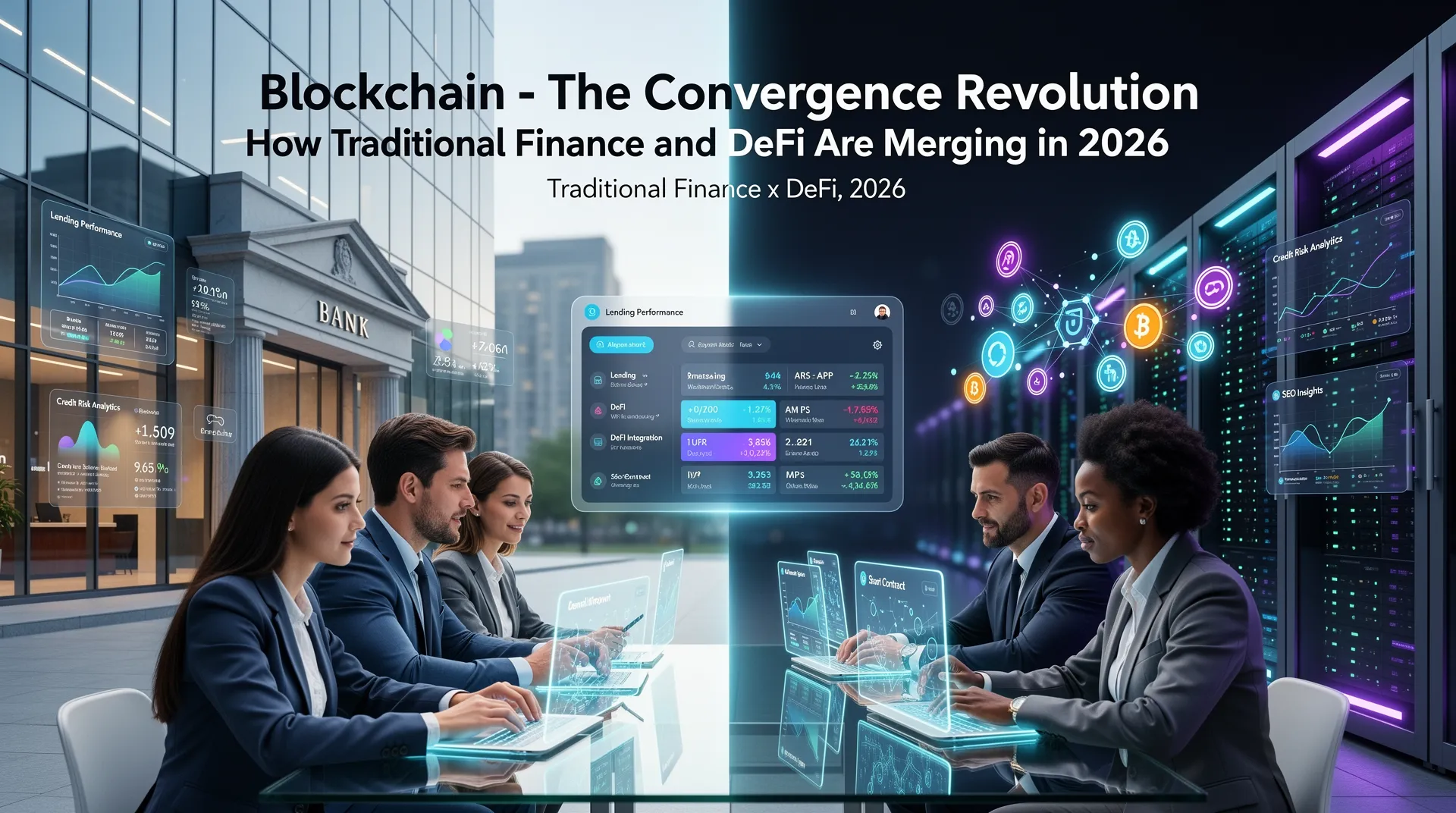
The year 2026 marks a pivotal moment in the financial industry as we witness an unprecedented convergence between traditional financial institutions (TradFi) and decentralized finance (DeFi) protocols. This integration is reshaping how financial services are delivered, accessed, and regulated across the globe.
Key Blockchain Trends Driving the Convergence
Institutional DeFi Adoption
Major banks and financial institutions are no longer viewing DeFi as a threat but as an opportunity for innovation. In 2026, we’re seeing established banks launching their own DeFi protocols while simultaneously integrating existing ones into their service offerings. This shift has created hybrid financial products that combine the security and compliance of traditional banking with the efficiency and transparency of blockchain technology.
Regulatory Clarity and Compliance
The regulatory landscape has evolved significantly, providing clearer guidelines for blockchain-based financial services. Regulatory bodies worldwide have established comprehensive frameworks that enable traditional institutions to engage with DeFi protocols while maintaining compliance standards. This clarity has accelerated institutional adoption and fostered greater trust among retail investors.
Technological Bridges Between TradFi and DeFi
Cross-Chain Infrastructure
Advanced cross-chain solutions have matured to enable seamless interaction between different blockchain networks and traditional banking systems. These interoperability protocols allow for instant settlement between conventional payment systems and decentralized networks, eliminating many of the friction points that previously existed.
Central Bank Digital Currencies (CBDCs) Integration
The widespread rollout of CBDCs in 2026 has created natural bridges between traditional monetary systems and blockchain infrastructure. These digital currencies serve as stable, government-backed assets that can operate within DeFi protocols while maintaining the trust and stability associated with central bank oversight.
Real-World Applications and Use Cases
Tokenized Assets and Securities
Traditional assets including real estate, stocks, and bonds are increasingly being tokenized on blockchain networks. This tokenization process allows for fractional ownership, 24/7 trading, and enhanced liquidity while maintaining regulatory compliance through programmable smart contracts that enforce securities laws automatically.
Decentralized Lending and Credit
Traditional banks are partnering with DeFi lending protocols to offer more competitive rates and faster processing times. These collaborations leverage blockchain’s transparency and automation while incorporating traditional credit scoring and risk assessment methodologies, creating more inclusive financial services.
Benefits of the TradFi-DeFi Convergence
- Enhanced financial inclusion through reduced barriers to entry
- Improved transaction speed and reduced settlement times
- Lower operational costs through automation and smart contracts
- Increased transparency and auditability of financial transactions
- 24/7 availability of financial services
- Better risk management through diversified protocols
Challenges and Solutions
Security and Risk Management
While security concerns remain paramount, 2026 has brought sophisticated solutions including improved audit practices, insurance protocols for smart contracts, and advanced monitoring systems that detect and prevent fraudulent activities in real-time. Traditional institutions bring their risk management expertise while DeFi protocols contribute innovative security mechanisms.
Scalability and Performance
Layer 2 solutions and alternative consensus mechanisms have addressed many scalability issues that previously hindered mass adoption. These improvements enable blockchain networks to handle transaction volumes comparable to traditional payment processors while maintaining decentralization principles.
Market Impact and Economic Implications
The convergence has created new market opportunities worth trillions of dollars, with traditional financial markets becoming more accessible through blockchain technology. This integration has also led to increased competition, driving innovation and better services for consumers while reducing costs across the financial ecosystem.
Looking Forward: The Future of Integrated Finance
As we progress through 2026, the line between traditional and decentralized finance continues to blur. The emergence of hybrid financial products, improved regulatory frameworks, and technological advances suggest that the future of finance will be characterized by seamless integration rather than competition between these two paradigms.
Financial institutions that successfully navigate this convergence will likely emerge as leaders in the new digital economy, offering services that combine the best aspects of both traditional and decentralized finance systems.



No comments yet — be the first