
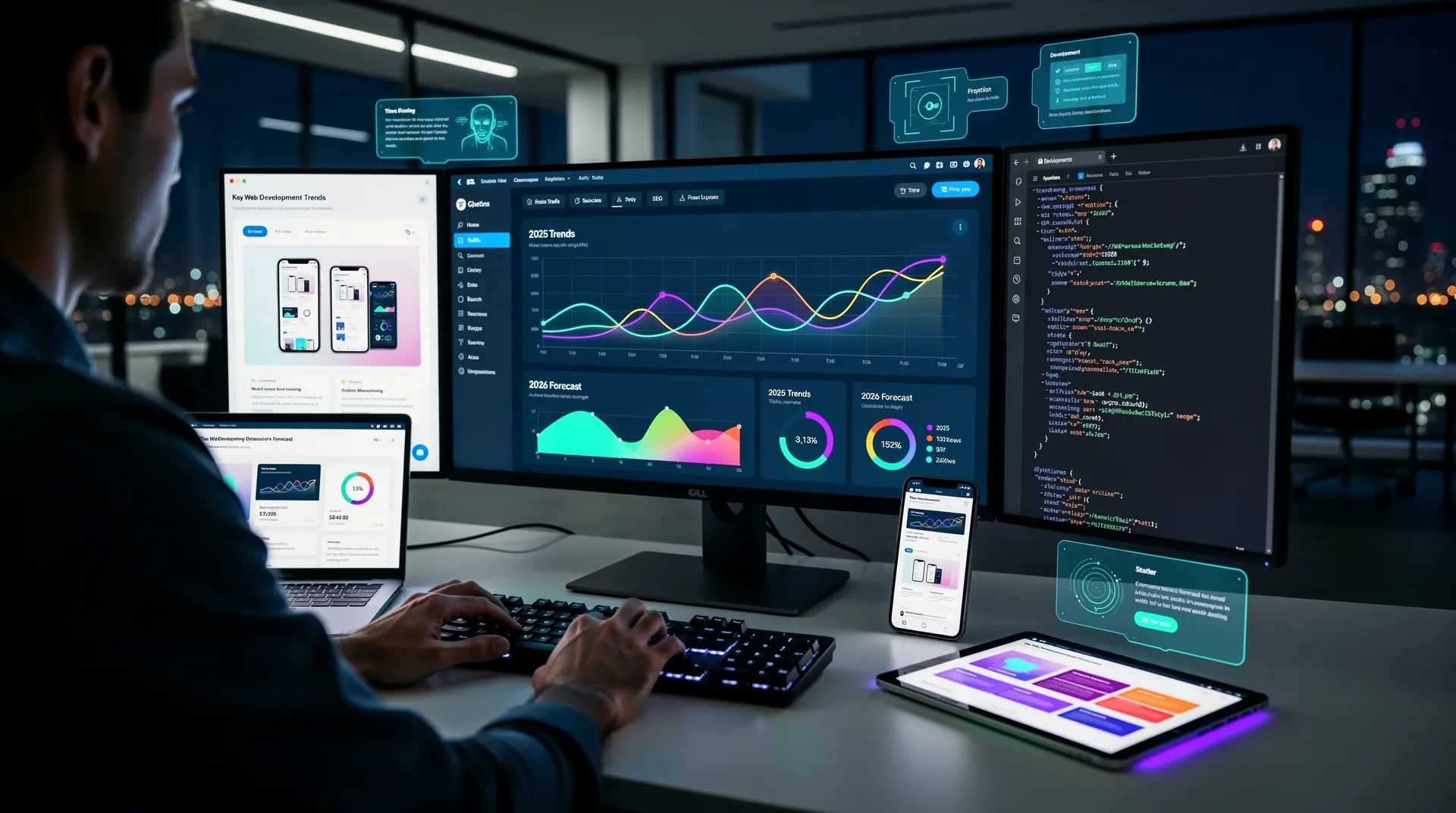
The Web Development Landscape in 2025: A Year of Transformation
As we close the chapter on 2025, it’s clear that this year marked a significant turning point in web development and digital experiences. For webmasters and developers, understanding which trends truly made an impact versus those that were merely hype is crucial for strategic planning heading into 2026.
The digital landscape witnessed unprecedented changes in user expectations, technology adoption, and development methodologies. From the continued evolution of AI integration to the maturation of progressive web applications, 2025 delivered both expected advancements and surprising shifts that reshaped how we approach web development.
AI Integration: Beyond the Buzzword Phase
Artificial intelligence moved from experimental territory into practical, everyday implementation across web platforms. Unlike previous years where AI felt more like a marketing gimmick, 2025 saw genuine integration that enhanced user experiences without overwhelming them.
Machine learning algorithms became more sophisticated in personalizing content delivery, while AI-powered chatbots evolved into genuinely helpful assistants rather than frustrating obstacles. For webmasters, this meant learning to balance automated intelligence with human oversight, ensuring AI enhancements served users rather than replacing authentic interaction.
The most successful implementations focused on subtle improvements: smarter search functionality, predictive text that actually predicted correctly, and recommendation systems that understood context beyond simple browsing history.
Performance Optimization: The Never-Ending Priority
Core Web Vitals continued to dominate SEO discussions, but 2025 brought a more nuanced understanding of performance optimization. Webmasters discovered that chasing perfect scores wasn’t always the answer – instead, focusing on real user experience metrics proved more valuable.
- Loading speed improvements through advanced caching strategies
- Image optimization using next-generation formats became standard practice
- JavaScript bundling and tree-shaking reached new levels of sophistication
- Edge computing solutions provided faster content delivery globally
The year also saw the rise of performance budgets as planning tools rather than afterthoughts, with teams setting specific metrics before development began rather than optimizing after launch.
Security Evolution: Privacy-First Development
Data privacy regulations continued expanding globally, pushing webmasters toward privacy-first development approaches. This wasn’t just about compliance – users became more conscious of their digital footprints, demanding transparency and control over their data.
Zero-party data collection strategies gained traction as alternatives to third-party cookies, while server-side rendering made a comeback for sensitive applications. Authentication methods evolved beyond traditional passwords, with passkeys and biometric verification becoming more mainstream.
Mobile-First Reality Check
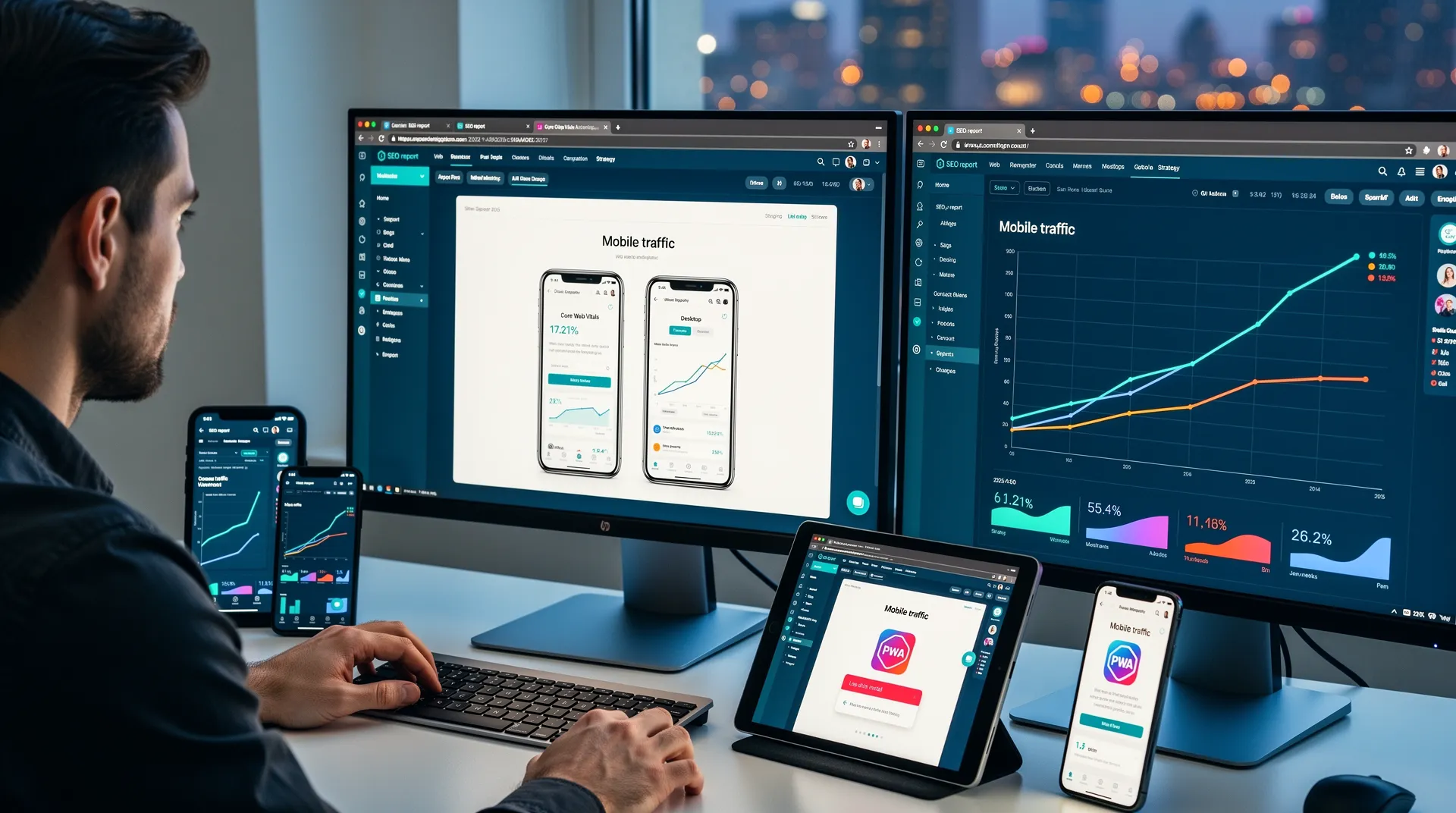
While mobile-first design has been preached for years, 2025 was when it truly became the default approach rather than an afterthought. Mobile traffic didn’t just exceed desktop – it dominated it, forcing a complete mindset shift in development priorities.
Progressive Web Apps (PWAs) finally delivered on their promise, offering app-like experiences without app store friction. Push notifications, offline functionality, and device integration reached the point where users couldn’t distinguish between native apps and well-built PWAs.
Content Management System Evolution
Headless CMS solutions gained significant ground, offering developers flexibility while providing content creators with familiar interfaces. The separation of content management from presentation layers allowed for omnichannel distribution without content duplication.
Traditional platforms like WordPress continued evolving, with block-based editing becoming more sophisticated and developer-friendly. The year marked a balance between no-code solutions for simple sites and advanced frameworks for complex applications.
Accessibility: From Compliance to Excellence
Web accessibility moved beyond legal compliance into genuine user experience improvement. Automated testing tools became more sophisticated, but manual testing and real user feedback remained irreplaceable for creating truly inclusive experiences.
Screen reader compatibility improved across frameworks, while color contrast and keyboard navigation received attention from designers, not just developers. The business case for accessibility became clearer as companies recognized the market opportunity of inclusive design.
Looking Ahead: 2026 Predictions for Webmasters
Based on current trajectories and emerging technologies, several trends are positioned to shape web development in 2026:
WebAssembly Mainstream Adoption
Expect WebAssembly to move from specialized use cases into general web application development, enabling performance-critical applications to run at near-native speeds in browsers.
Edge Computing Expansion
Edge computing will become more accessible to smaller organizations, not just enterprise clients. This will enable faster, more responsive applications globally without massive infrastructure investments.
Sustainable Web Development
Environmental consciousness will drive optimization efforts, with carbon footprint becoming a measurable metric for web performance alongside traditional speed and efficiency measures.
Enhanced Developer Experience
Development tools will become more integrated and intelligent, reducing context switching and providing better debugging capabilities across complex, distributed applications.
Strategic Recommendations for Webmasters
Success in 2026 will require focusing on fundamentals while remaining adaptable to emerging technologies. Prioritize user experience over flashy features, invest in performance monitoring and optimization, and maintain security awareness as threats evolve.
Most importantly, remember that technology serves users, not the other way around. The trends that truly matter are those that solve real problems and create genuine value for the people using your websites and applications.


No comments yet — be the first