
The WordPress Landscape in 2026: A New Era of Innovation
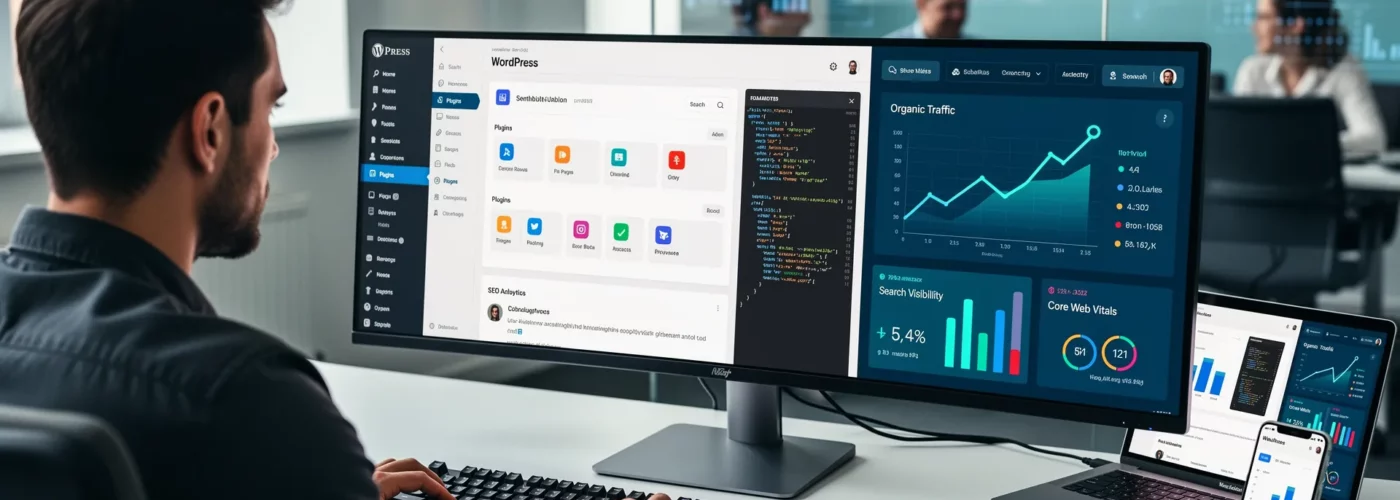
As we navigate through 2026, WordPress continues to dominate the web development sphere, powering over 45% of all websites globally. The platform has undergone significant transformations, introducing cutting-edge features that revolutionize how developers and content creators approach web development. Understanding these emerging trends is crucial for staying competitive in today’s digital marketplace.
Full Site Editing Takes Center Stage
The Full Site Editing (FSE) capability has reached unprecedented maturity in 2026, fundamentally changing how WordPress sites are constructed and customized. This revolutionary approach allows users to design every aspect of their website using the block editor, eliminating the traditional dependency on PHP-based theme files.
Developers are now embracing block-based theme development as the standard practice. The introduction of enhanced pattern libraries and sophisticated template part management has made FSE more intuitive and powerful than ever before. Site builders can now create complex layouts with drag-and-drop simplicity while maintaining clean, semantic code structure.
Key FSE Advantages in 2026
- Streamlined theme customization without coding knowledge
- Improved site performance through optimized block rendering
- Enhanced design flexibility with advanced block patterns
- Better version control and collaborative editing capabilities
Headless WordPress Architecture Gains Momentum
The headless WordPress approach has become increasingly popular among enterprise-level projects and performance-focused applications. By decoupling the content management backend from the frontend presentation layer, developers can leverage WordPress’s robust content management capabilities while utilizing modern JavaScript frameworks for superior user experiences.
This architectural shift enables faster loading times, improved security, and greater scalability. Popular combinations include WordPress with React, Vue.js, or Next.js frontends, connected through REST API or GraphQL endpoints. The WordPress team has significantly enhanced API functionality to better support these implementations.
AI Integration Transforms Content Creation
Artificial intelligence has become deeply integrated into the WordPress ecosystem throughout 2026. Advanced AI-powered plugins now offer sophisticated content generation, SEO optimization, and user experience enhancement features. These tools help content creators produce higher-quality material while reducing time investment.
Machine learning algorithms analyze user behavior patterns to provide personalized content recommendations and optimize site performance automatically. Voice-activated content management and AI-driven accessibility improvements have made WordPress more inclusive and user-friendly than ever before.
Popular AI Applications
- Automated content optimization and SEO analysis
- Intelligent image recognition and alt-text generation
- Dynamic content personalization based on user preferences
- Predictive analytics for content performance
Performance Optimization Reaches New Heights
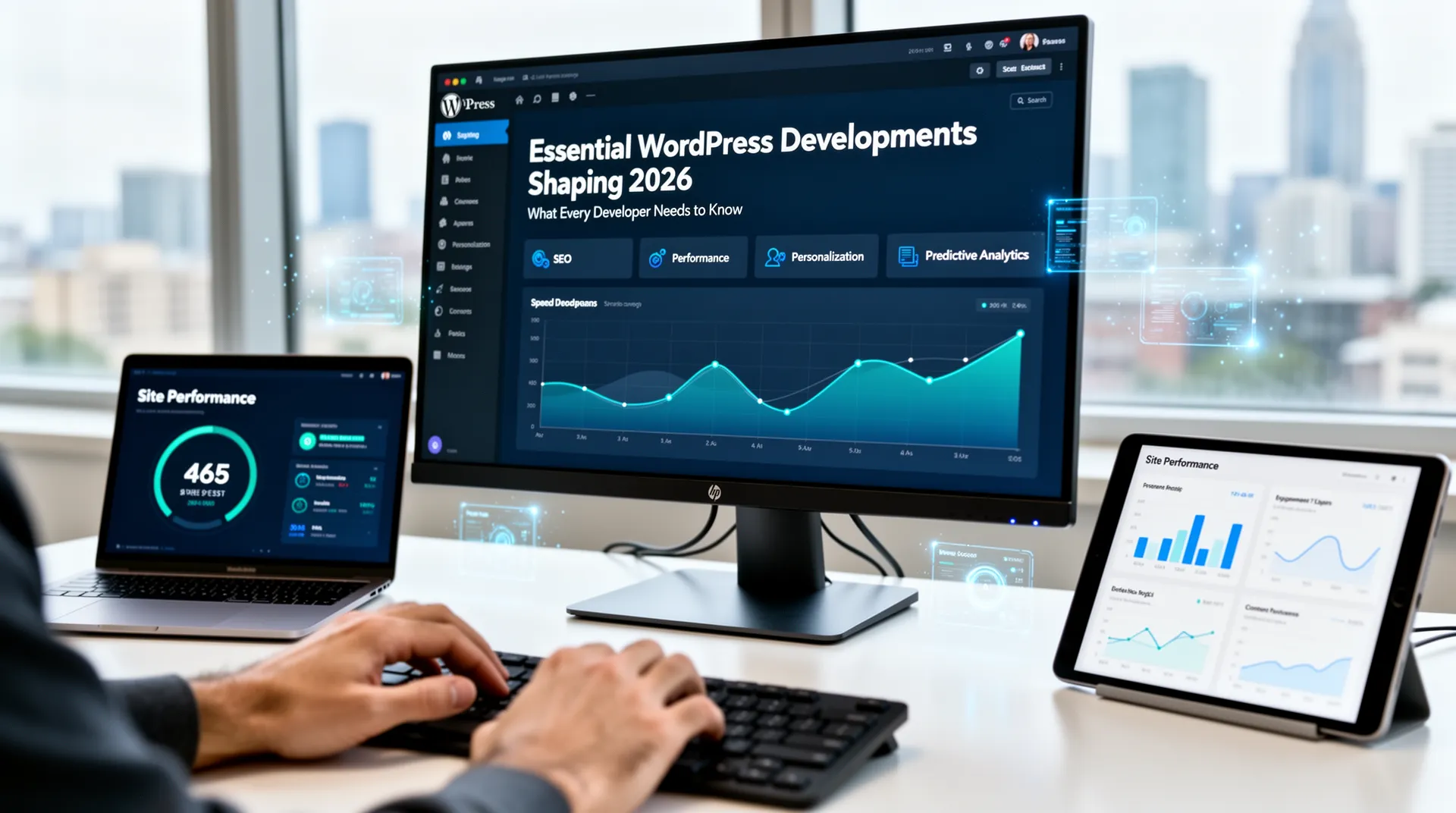
Website speed and performance optimization have become paramount concerns in 2026, with Core Web Vitals continuing to influence search rankings significantly. WordPress has introduced native performance enhancements, including improved caching mechanisms, optimized database queries, and advanced image compression techniques.
The implementation of WebP and AVIF image formats as default options has substantially reduced page load times. Progressive Web App (PWA) capabilities are now standard features, enabling WordPress sites to deliver app-like experiences across all devices.
Enhanced Security Measures
Cybersecurity threats have evolved, and WordPress has responded with robust security improvements. Two-factor authentication is now built into the core platform, and advanced threat detection systems provide real-time protection against malicious activities.
The introduction of automated security updates and enhanced user permission controls has made WordPress installations more secure by default. Regular security audits and vulnerability assessments are now standard practices among WordPress hosting providers.
Mobile-First Design Philosophy
With mobile traffic accounting for over 60% of web browsing in 2026, WordPress themes and plugins prioritize mobile optimization from the ground up. Responsive design has evolved beyond simple screen adaptation to include touch-optimized interfaces and mobile-specific functionality.
Accelerated Mobile Pages (AMP) integration has become seamless, and Progressive Web App features ensure consistent performance across all mobile devices. Voice search optimization and mobile commerce capabilities are now essential components of modern WordPress development.
Sustainability and Green Web Practices
Environmental consciousness has influenced WordPress development trends, with increased focus on creating energy-efficient websites. Developers are implementing sustainable coding practices, optimizing resource usage, and choosing eco-friendly hosting solutions.
Carbon footprint tracking plugins help website owners monitor and reduce their environmental impact. The WordPress community actively promotes green web development practices and sustainable digital solutions.
Future-Proofing Your WordPress Strategy
To remain competitive in 2026’s WordPress landscape, developers and site owners must embrace these emerging trends while maintaining focus on user experience and accessibility. Regular theme and plugin updates, performance monitoring, and security best practices remain fundamental requirements.
Investing in modern development tools, staying informed about WordPress core updates, and participating in the community ecosystem will ensure continued success in this dynamic environment. The WordPress platform’s continued evolution presents exciting opportunities for innovation and growth in the years ahead.
No comments yet — be the first