
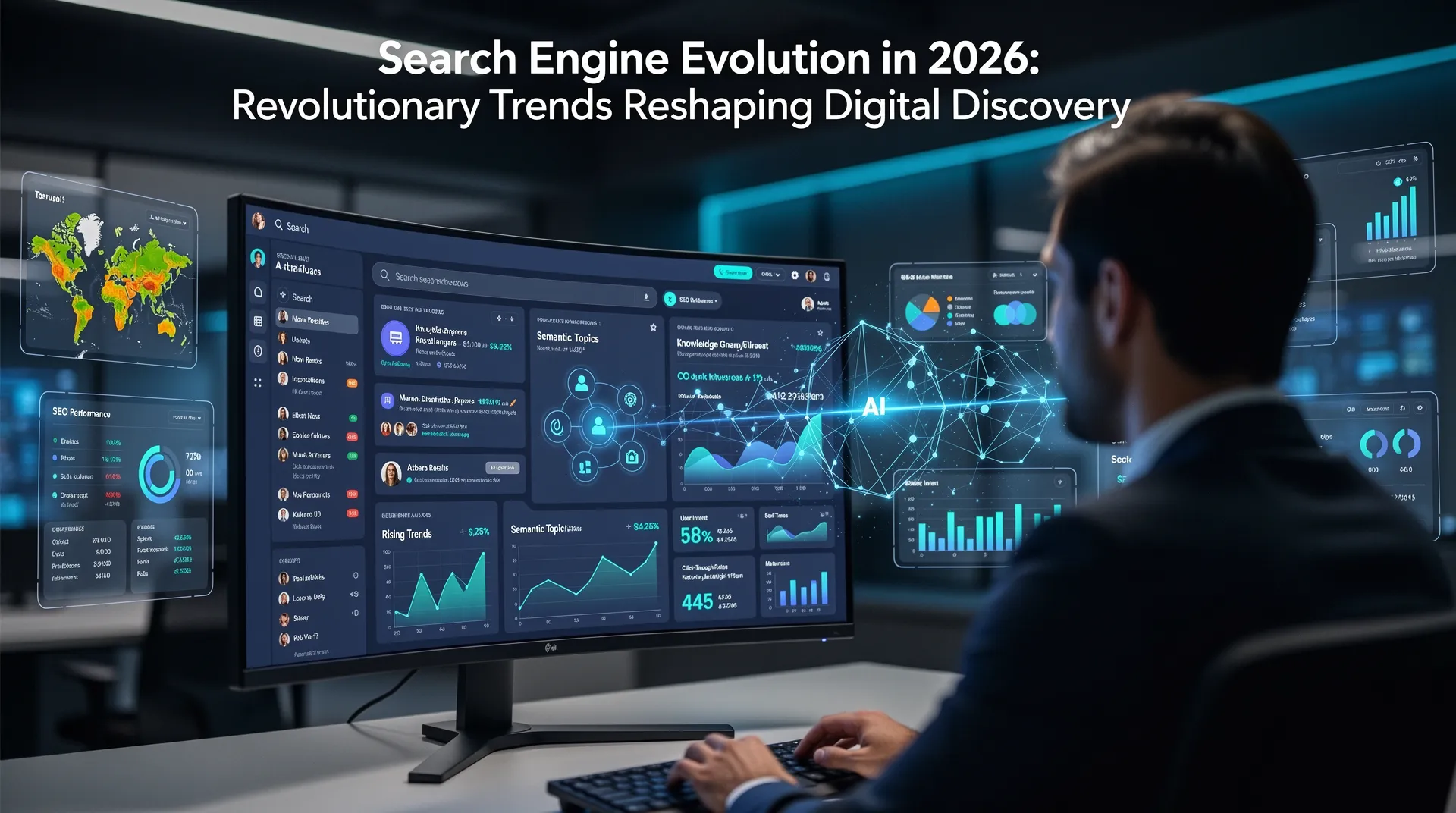
The Search Landscape Revolution of 2026
The digital search ecosystem has undergone remarkable transformation in 2026, fundamentally altering how users discover information and how businesses optimize their online presence. This year marks a pivotal shift from traditional keyword-based strategies to sophisticated, AI-driven approaches that prioritize user intent and contextual understanding.
AI-Powered Search Intelligence Takes Center Stage
Artificial intelligence has become the cornerstone of modern search optimization. Search engines now leverage advanced machine learning algorithms to interpret user queries with unprecedented accuracy, understanding not just what users type, but what they truly need.
Conversational Query Processing
Natural language processing has reached new heights in 2026, enabling search engines to handle complex, multi-layered questions with human-like comprehension. Users can now pose intricate queries using everyday language, and search algorithms successfully parse intent, context, and nuanced meaning.
Content creators must now focus on addressing comprehensive topics rather than targeting specific keyword phrases. This shift demands a more holistic approach to content development, where the emphasis lies on providing thorough, authoritative answers to user questions.
Visual and Multimodal Search Dominance
The integration of visual search capabilities has revolutionized how users interact with search engines. Image recognition technology, combined with text-based queries, creates a more intuitive search experience that mirrors how humans naturally seek information.
Enhanced Image Understanding
Modern search algorithms can now identify objects, scenes, text within images, and even emotional context from visual content. This advancement means that visual content optimization has become crucial for maintaining search visibility.
- Optimized alt text that describes both literal and contextual elements
- High-quality, relevant imagery that supports content themes
- Structured visual content that search engines can easily interpret
- Video content that provides comprehensive topic coverage
User Experience as a Ranking Foundation
Search engines in 2026 prioritize websites that deliver exceptional user experiences across all touchpoints. Core Web Vitals have evolved into more sophisticated metrics that measure not just technical performance, but actual user satisfaction and engagement patterns.
Advanced Performance Metrics
The measurement of user experience has expanded beyond loading speeds to include interaction quality, content accessibility, and mobile optimization. Search algorithms now assess how users engage with content after clicking through from search results, using this data to refine ranking decisions.
Websites that provide seamless, intuitive experiences across devices and platforms consistently outperform those that focus solely on traditional SEO tactics. This includes optimizing for voice search, ensuring accessibility for users with disabilities, and creating content that adapts to different consumption preferences.
Personalization and Context-Aware Results
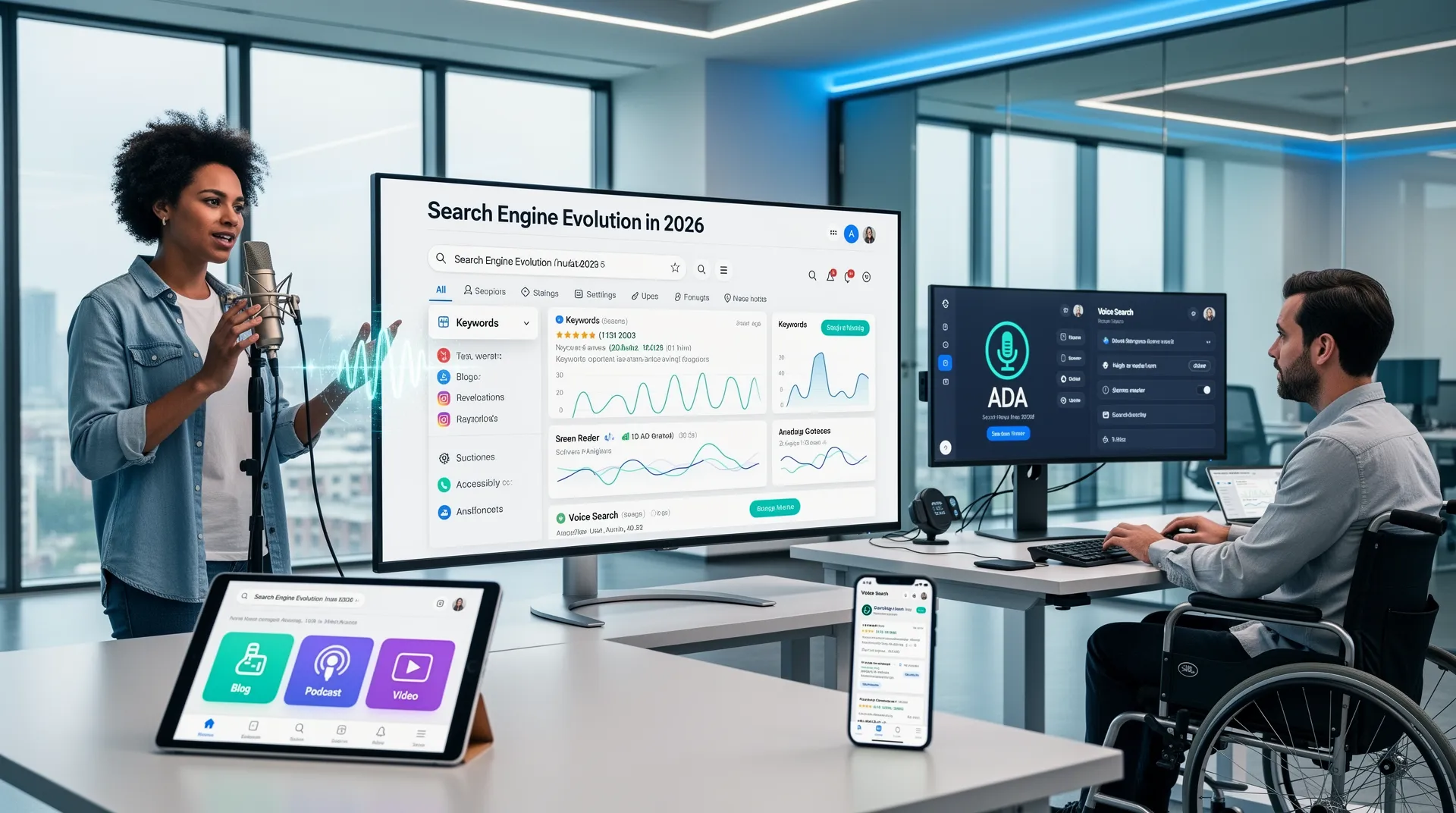
Search personalization has reached new levels of sophistication in 2026, with algorithms considering user location, search history, device type, and even current events to deliver highly relevant results. This trend toward hyper-personalization means that content creators must think beyond one-size-fits-all strategies.
Dynamic Content Adaptation
Successful websites now implement dynamic content systems that can adjust messaging, examples, and recommendations based on user characteristics and behavior patterns. This approach ensures that content remains relevant and valuable regardless of how users discover it.
Authority and Expertise Recognition
Search engines have become increasingly adept at identifying genuine expertise and authority within specific domains. The algorithms now analyze author credentials, publication history, citation patterns, and community recognition to determine content trustworthiness.
Building Digital Authority
Establishing expertise requires consistent demonstration of knowledge through various channels and formats. This includes:
- Publishing research-backed content with proper citations
- Engaging with industry communities and discussions
- Collaborating with recognized experts and institutions
- Maintaining transparency about author qualifications and sources
Local and Micro-Moment Optimization
The importance of local search optimization has intensified in 2026, with search engines becoming more precise in connecting users with nearby resources and services. Micro-moments – those instant needs for information, directions, or solutions – now drive a significant portion of search traffic.
Businesses must ensure their local presence is comprehensive and accurate across all platforms, from traditional directory listings to emerging location-based services. This includes maintaining consistent business information, encouraging authentic customer reviews, and creating location-specific content that addresses local needs and interests.
Preparing for Future Search Evolution
As search technology continues advancing rapidly, the most successful strategies focus on understanding and serving user intent rather than gaming algorithmic systems. The search engines of 2026 reward websites that prioritize user value, technical excellence, and authentic expertise.
Organizations that invest in comprehensive content strategies, technical optimization, and genuine community engagement position themselves for sustained success in this evolving landscape. The key lies in balancing cutting-edge optimization techniques with fundamental principles of user-centered design and valuable content creation.

No comments yet — be the first