
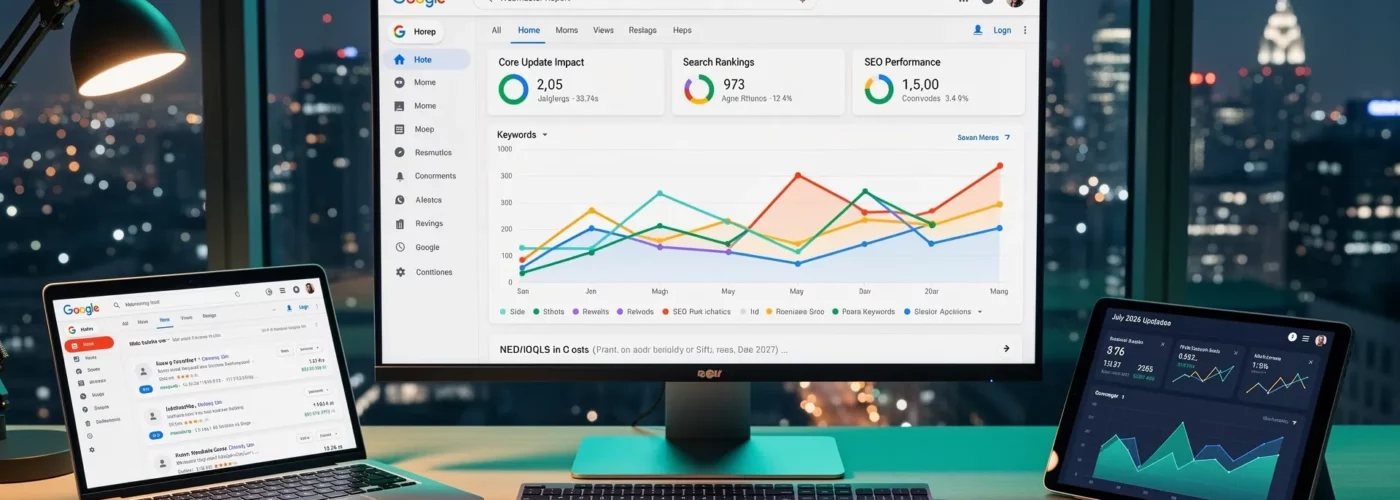
July 2026 Google Webmaster Report: Everything You Need to Know
July 2026 has been a notably eventful month for webmasters, SEO professionals, and digital marketers. Google continued to roll out algorithm refinements, adjust its search systems, and communicate updates through official channels. From ranking fluctuations to new Search Console features, the month was packed with developments that every site owner should be aware of. Here’s a comprehensive roundup of the most significant Google webmaster news from July 2026.
Google Algorithm Updates & Ranking Fluctuations
Throughout July 2026, many webmasters reported noticeable shifts in their search rankings. Several community forums and SEO tracking tools flagged elevated volatility during the month, consistent with what typically follows a broad core algorithm update. Google confirmed ongoing refinements to its ranking systems, though no single named update was officially announced for the entire month.
Tools like Semrush Sensor, Mozcast, and RankRanger all showed above-average turbulence during specific windows in July, signaling that Google’s systems were actively reassessing how pages are evaluated for quality, relevance, and authority. Webmasters who had previously seen ranking drops noticed fluctuations — some recovering traffic, others facing further declines.
As has become the norm in 2026, Google emphasized that broad core updates are designed to improve the overall quality of search results rather than to penalize specific sites. Site owners who create helpful, original, people-first content remain best positioned to benefit from these changes over time.
Google Search Console & Webmaster Tools Updates
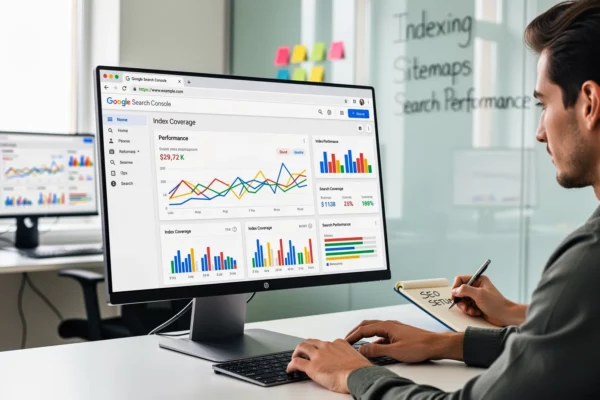
July 2026 also brought a handful of meaningful changes to Google Search Console, the go-to platform for webmasters managing their site’s presence in Google Search. Google continued to expand reporting capabilities, giving site owners better visibility into how their pages are indexed and performing.
- Crawl Stats Enhancements: Google refined the crawl statistics report, making it easier for webmasters to identify crawl anomalies and understand how Googlebot interacts with their site architecture.
- Index Coverage Improvements: Several webmasters reported that previously excluded URLs began appearing as indexed following a re-crawl cycle, suggesting backend improvements to how Google handles indexing queues.
- Performance Report Clarity: Google made minor UI adjustments to the Performance report, improving date range comparisons and making it easier to segment data by device type and search appearance.
These improvements reflect Google’s ongoing commitment to providing webmasters with actionable insights that help them align their content and technical strategies with what Google’s systems are looking for.
Google’s Communication With Webmasters
One of the more notable themes throughout July 2026 was Google’s increased transparency in communicating with the webmaster community. Google’s Search Liaison and other representatives were active on social media platforms and in developer forums, answering questions and clarifying misconceptions.
Key clarifications made during the month included:
- On AI-Generated Content: Google reiterated that the origin of content — whether written by a human or generated by AI — is less important than whether it is helpful, accurate, and original. Content that lacks depth, rehashes existing information without adding value, or appears mass-produced remains at a disadvantage regardless of how it was created.
- On Structured Data: Google reminded webmasters that structured data (schema markup) does not directly influence rankings but can improve the way search results are displayed, potentially improving click-through rates. Proper implementation of schema types like FAQPage, HowTo, and Product was encouraged.
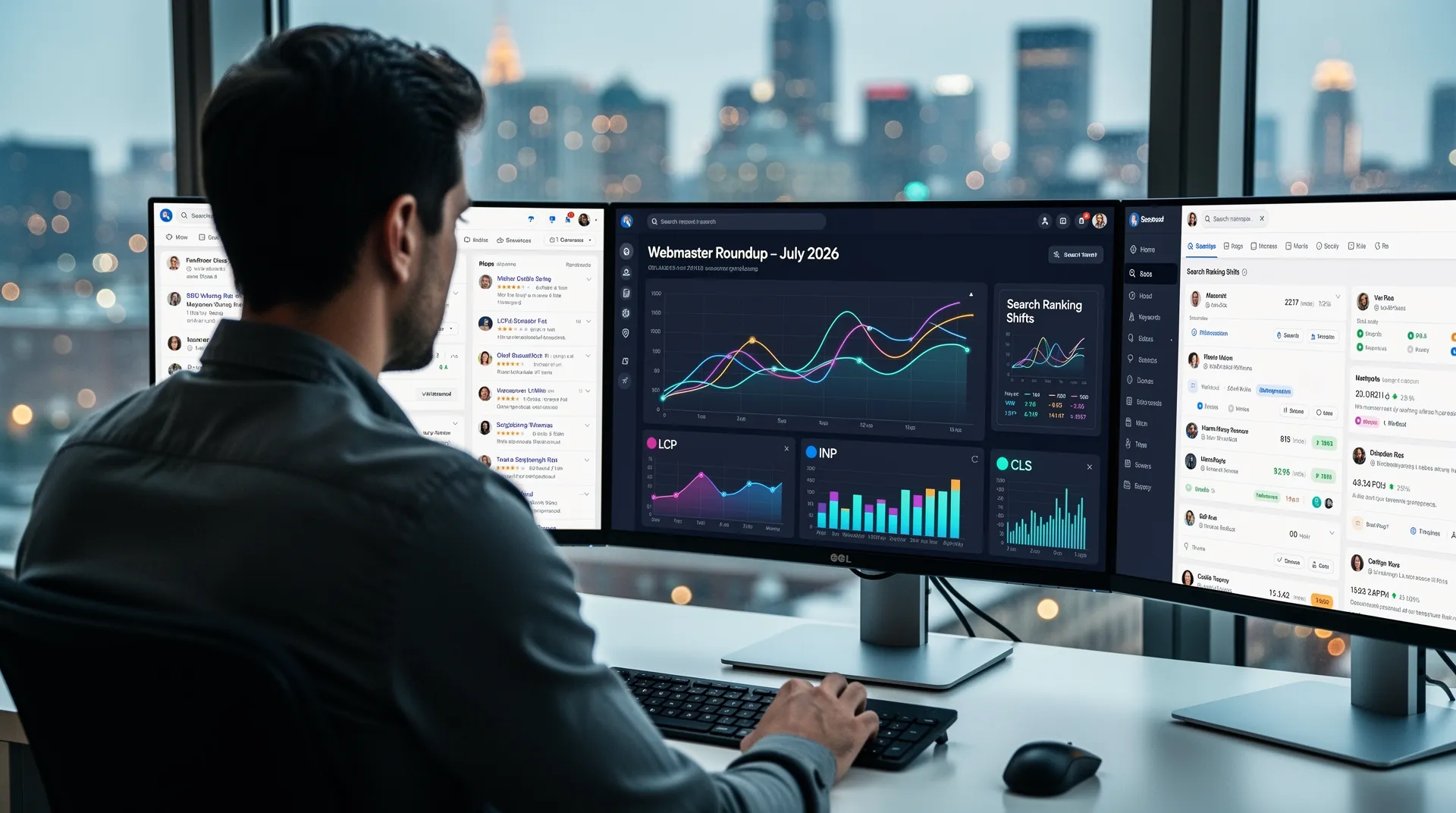
- On Core Web Vitals: Google confirmed that page experience signals, including Core Web Vitals metrics — Largest Contentful Paint (LCP), Interaction to Next Paint (INP), and Cumulative Layout Shift (CLS) — continue to factor into search rankings, especially in competitive niches.
Helpful Content & E-E-A-T Signals Remain Critical
In July 2026, Google’s emphasis on the E-E-A-T framework (Experience, Expertise, Authoritativeness, and Trustworthiness) remained as strong as ever. Webmasters and content creators were reminded that demonstrating genuine first-hand experience and subject matter expertise is one of the most effective ways to build long-term search visibility.
Google’s systems continue to evaluate signals that indicate a website and its authors are credible, knowledgeable, and trustworthy. Practical steps recommended by the SEO community for improving E-E-A-T signals include:
- Publishing detailed author bios with real credentials and professional backgrounds
- Earning backlinks from authoritative and topically relevant sites
- Including original research, first-hand experiences, and unique data in content
- Maintaining transparency about who runs the site and how content is produced
- Keeping content updated and factually accurate
Sites that have invested consistently in E-E-A-T best practices have generally shown greater stability during algorithm updates, according to ongoing observations from the SEO community.
Technical SEO: What Webmasters Should Focus On
Beyond content quality, July 2026 highlighted several technical SEO areas that webmasters should prioritize to maintain and improve their search performance.
Site Speed & Core Web Vitals
Page speed continues to be a critical ranking factor. Webmasters are encouraged to audit their INP scores in particular, as Interaction to Next Paint replaced First Input Delay as the standard measure of page interactivity. Tools like Google PageSpeed Insights and Lighthouse provide actionable recommendations for improving these scores.
Mobile-First Indexing
Google’s indexing remains predominantly mobile-first in 2026. Sites that have not yet fully optimized for mobile devices — including responsive design, fast mobile load times, and properly configured mobile content — risk being at a disadvantage in search rankings. Webmasters should routinely test their sites using Google’s Mobile-Friendly Test tool.
Canonical Tags & Duplicate Content
Proper use of canonical tags continues to be important for sites with large content catalogs, e-commerce platforms, or syndicated content. Webmasters were reminded to audit their canonical configurations to ensure Google is correctly identifying the preferred versions of their pages.
Google Business Profiles & Local SEO
For webmasters managing local business websites, July 2026 saw continued updates to Google Business Profiles. Local search results remained highly competitive, with Google continuing to factor in review signals, profile completeness, and local content relevance when determining local pack rankings.
Business owners were encouraged to regularly update their Google Business Profiles, respond to customer reviews, and ensure their NAP (Name, Address, Phone Number) information is consistent across the web.
Looking Ahead: What Webmasters Should Prepare For
As we move into the second half of 2026, webmasters should remain proactive rather than reactive when it comes to Google’s evolving search landscape. Key areas to watch include:
- Further integration of AI-powered features into Google Search and how they affect organic click-through rates
- Potential new core algorithm updates in the coming months
- Ongoing development of Google Search Console features and reporting tools
- Continued emphasis on content quality, user experience, and site credibility
Staying informed through official Google channels, reputable SEO publications, and active webmaster communities remains the best strategy for navigating the ever-changing world of Google Search in 2026.


No comments yet — be the first